Sida linifolia
Sida linifolia
Description
Sida linifolia is a herbaceous plant belonging to the Malvaceae family. Within the field of agronomy, this plant is recognized as a potential source of high-quality vegetable fiber. Unlike some of its botanical relatives, this species develops a straight, elongated stem, which makes it highly suitable for commercial fiber extraction and processing.
Originating from the tropical regions of the Americas, this crop has spread throughout various equatorial and tropical zones worldwide. Its range includes areas with humid climates where it thrives in open fields, pastures, and disturbed lands. Due to its high adaptability, the plant can quickly colonize large areas, making it a robust candidate for extensive cultivation in suitable climate zones.
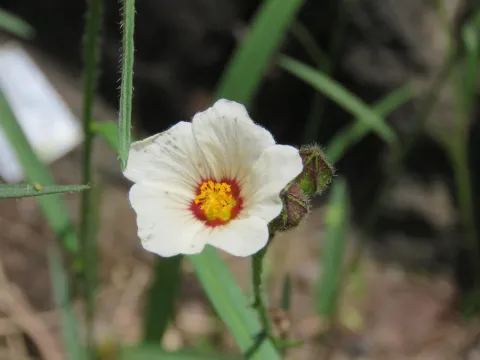
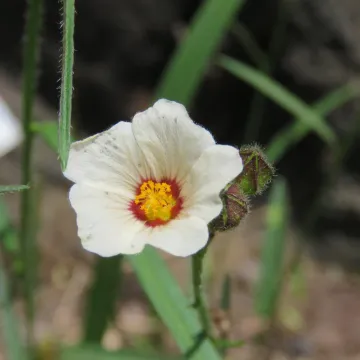
Botanically, the plant is characterized by its lanceolate leaves that resemble flax, which is the origin of its specific epithet. It typically grows to a height of one to one and a half meters. The plant produces delicate white flowers that are typical for the Mallow family, followed by the development of schizocarpic fruits, which ensure the plant's propagation and survival in diverse environmental conditions.
The cultivation requirements focus on well-drained, loamy or sandy soil types with adequate moisture levels. Being a tropical plant, it is light-demanding and highly sensitive to frost, restricting its viable growing season to warm periods or tropical latitudes. Agricultural practices involve precise land preparation, effective weed control in the early growth stages, and timely harvesting to maintain the fiber's structural integrity.
- Significant potential for fiber yield.
- Strong resistance to common regional pests.
- Rapid vegetative growth in high-temperature environments.
- Soil-improving properties when used as green manure.
The primary economic use of Sida linifolia is in the textile and rope-making industries, where its fibers are valued for their tensile strength. Research is also exploring its utility as a biomass source for cellulose production in industrial applications. Common pests affecting the crop include leaf-eating insects, while fungal diseases can pose a threat if soil moisture levels remain excessively high throughout the growing cycle.
Photo gallery