Sida tuberculata
Sida tuberculata
Description
Sida tuberculata is a perennial herb belonging to the Malvaceae family. Recognized for its structural resilience and potential as an industrial crop, it is gaining interest among agricultural researchers looking for sustainable sources of plant-based fiber and energy-dense biomass in various temperate and subtropical regions.
Originating in the Americas, this species has shown significant adaptability across different soil types and climate zones. Its natural distribution is linked to regions where it can utilize long growing seasons to establish deep root systems, which further enhances its survival in varying environmental conditions.
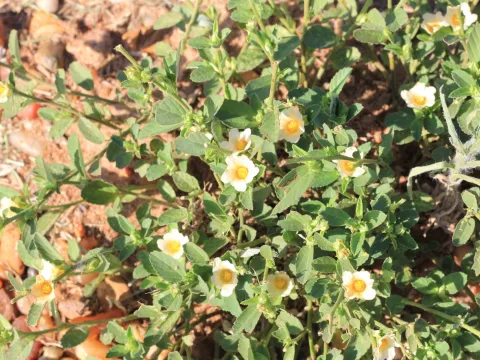
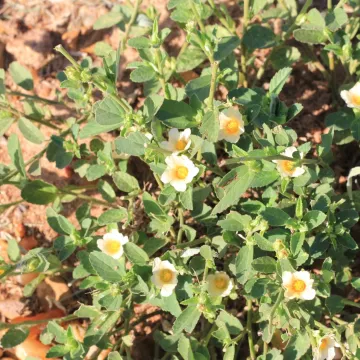
From a botanical perspective, the plant is characterized by sturdy, erect stems and distinctively lobed leaves typical of the Sida genus. It produces small flowers that facilitate reliable seed production, ensuring natural regeneration in non-disturbed areas. The root system is robust, providing the plant with the necessary stability to resist wind and drought stress.
Agronomic management of Sida tuberculata requires a focus on soil preparation, ensuring optimal aeration and drainage to promote early growth. While the crop can tolerate marginal lands, soil fertility amendments, particularly nitrogen, often significantly boost biomass production. Proper spacing is essential to minimize intraspecific competition and maximize yield per hectare.
The primary хозяйственные applications for this crop include:
- Production of high-quality cellulosic fibers for textile and bioplastic manufacturing.
- Utilization as a feedstock for anaerobic digestion in biogas plants.
- Potential use in soil remediation and erosion control programs.
While generally resistant to many common pests, the crop can occasionally be affected by insects such as aphids or spider mites, particularly in water-stressed environments. Maintaining a regular monitoring program for fungal infections, specifically those affecting the roots, is recommended to ensure long-term health and consistent yields in intensive farming systems.
Photo gallery