Sida urens
Sida urens
Description
Sida urens, commonly known as stinging sida, is a perennial herb or subshrub belonging to the Malvaceae family. It is recognized for its characteristic stinging hairs found on the stems and leaves, which act as a defense mechanism against herbivores and can cause irritation upon physical contact with human skin.
The plant is native to the tropical and subtropical regions of the Americas. It has successfully naturalized across various tropical environments worldwide, including parts of Africa and Southeast Asia. It typically thrives in open habitats, such as neglected agricultural lands, forest clearings, and alongside trails, where it benefits from high light intensity.
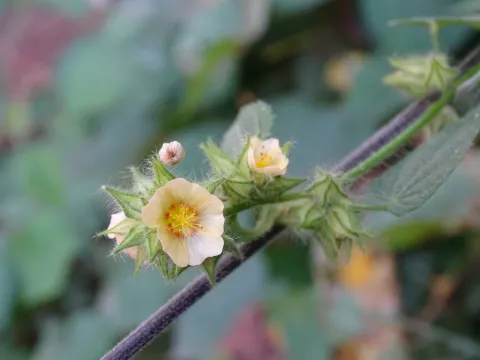
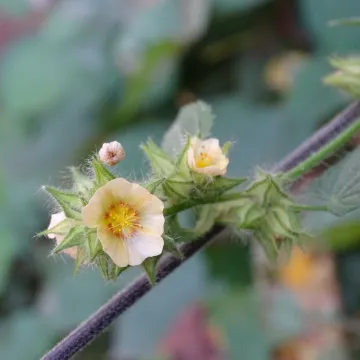
Botanically, Sida urens exhibits an erect or decumbent growth habit, featuring heart-shaped leaves with serrated margins. Its flowers are generally small, yellow to orange in color, and bloom in leaf axils. The plant produces a taproot system, which contributes to its resilience in varying environmental conditions and helps it maintain stability in disturbed soils.
Regarding agricultural management, this crop requires warm climates and is intolerant to frost, which limits its commercial cultivation to frost-free zones. It prefers well-drained, fertile soil but can tolerate poor soil conditions if sufficient rainfall is present. Regular pruning or weeding may be necessary to prevent the plant from becoming overly invasive in specific microclimates.
- Requires consistent sunlight for optimal development.
- Sensitive to waterlogged soil conditions.
- Susceptible to typical malvaceous pests like aphids and mites.
The primary economic value of Sida urens lies in its bast fiber, which is processed for the manufacturing of cordage and textile materials. Furthermore, there is ongoing interest in the phytochemical properties of the species, as traditional practices utilize various parts of the plant for their potential medicinal attributes, including anti-inflammatory applications.
Photo gallery