Woolly ironwort
Sideritis lanata
Description
Woolly ironwort (Sideritis lanata) is a perennial herbaceous plant belonging to the Lamiaceae family. This species is highly regarded for its resilience in Mediterranean mountain ecosystems and is a classic representative of the Sideritis genus, often harvested for herbal infusions.
The plant originates from the mountainous regions of the Mediterranean and the Balkans. It thrives in rugged, rocky terrains where soil depth is minimal, and solar radiation is intense. This evolutionary history makes it an excellent candidate for xeriscaping and sustainable agriculture in arid regions.
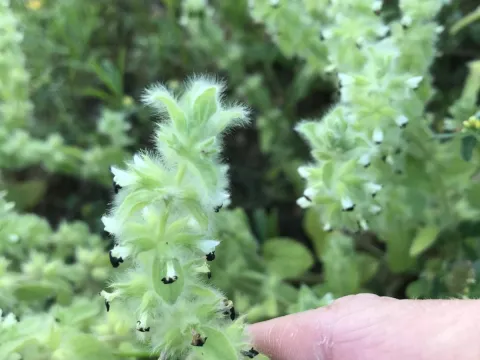
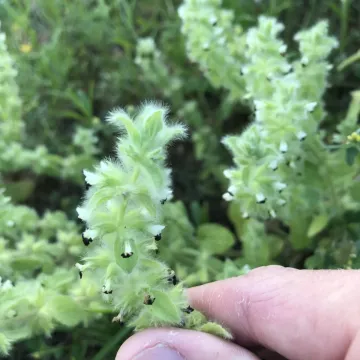
Its botanical signature is the dense, woolly indumentum that covers its leaves and stems, giving it a silver-grey appearance. This adaptation serves as a defense mechanism against water loss. The flowers are typically arranged in verticillasters, forming terminal spikes that bloom during the warmer months.
Cultivation requires conditions that mimic its natural habitat: full sun exposure and sharp drainage are non-negotiable. Soils should be poor to moderate in fertility; overly nutrient-rich soil often leads to a reduction in the concentration of secondary metabolites, which are essential for its medicinal quality.
The plant is primarily used to produce herbal teas often referred to as "mountain tea," which are prized for their antioxidant and anti-inflammatory properties. In terms of maintenance, growers should be wary of fungal infections caused by high humidity. Ensuring sufficient air circulation is the best way to keep the plant healthy and productive.
Photo gallery