Sideritis peyrei
Sideritis peyrei
Description
Sideritis peyrei is a perennial herbaceous plant belonging to the Lamiaceae family. Often recognized as a botanical treasure of mountain ecosystems, this species is valued for its resilience and the secondary metabolites accumulated in its foliage, which are highly regarded in traditional and modern herbal medicine.
The origin of Sideritis peyrei is traced back to the mountainous regions of the Pyrenees. It is native to rocky, high-altitude habitats where plants are subjected to intense solar radiation, poor soils, and significant thermal fluctuations. These environmental pressures have shaped the plant's unique biological and chemical profile.
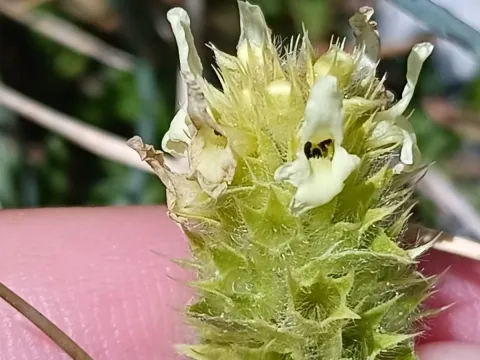
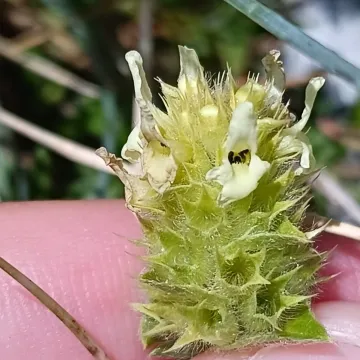
Botanically, it is a subshrub featuring dense trichomes (hairs) on its surface, which serve as an adaptation to reduce transpiration and protect against strong UV light. The leaves are typically narrow and lanceolate, while the inflorescence is organized into whorls. Its robust taproot allows the plant to anchor effectively in rocky, shallow substrates.
Cultivation requirements for Sideritis peyrei center on simulating its natural mountain environment. It demands full sun exposure and perfectly drained soil. Heavy soils or those that retain moisture should be avoided at all costs, as root rot is the most common cause of failure in agricultural production. It performs well in neutral to alkaline, grit-rich, or rocky soils.
Economically, Sideritis peyrei is harvested for its use in the production of herbal infusions, known commercially as 'mountain tea'. The pharmacological profile includes anti-inflammatory, antioxidant, and antimicrobial properties. Common pests include aphids and certain types of caterpillars, while disease control is focused almost exclusively on preventing fungal pathogens caused by excessive humidity or poor ventilation.
Photo gallery