Sideritis ruscinonensis
Sideritis ruscinonensis
Description
Sideritis ruscinonensis is a perennial herbaceous plant belonging to the Lamiaceae family. This species is recognized within the botanical community for its resemblance to other Mediterranean ironworts, often referred to collectively as "mountain tea." It is valued for its unique phytochemical profile, which makes it a subject of interest for both traditional herbalism and modern botanical research.
The plant is native to the southeastern regions of France, where it naturally thrives in limestone-rich soils and stony habitats. It is highly adapted to the Mediterranean climate, characterized by mild, wet winters and hot, dry summers. This adaptation dictates its geographical potential for cultivation, as it requires specific thermal and moisture conditions to reach its peak chemical maturity.
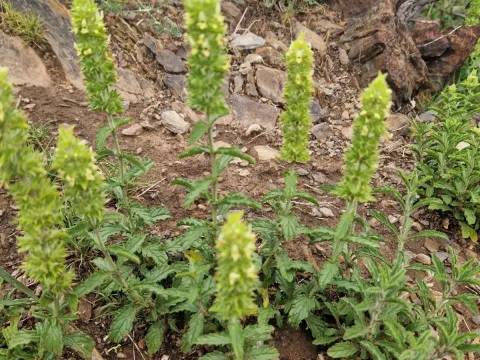
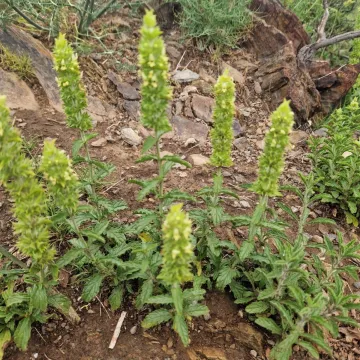
Botanically, this species is defined by its pubescent foliage, which serves as an evolutionary adaptation to minimize transpirational water loss. Its stem structure is typically erect, supporting dense, verticillate inflorescences. The root system is resilient and well-adapted to shallow, low-nutrient soils, allowing the plant to establish itself in environments where more demanding crops would fail.
Agronomic management of Sideritis ruscinonensis requires prioritizing site selection and soil structure. Essential conditions include full sun exposure, excellent drainage, and neutral to slightly alkaline pH levels. Growers must avoid sites prone to waterlogging, as the species is highly susceptible to root and crown rot under saturated soil conditions. Maintenance needs are generally low compared to conventional row crops.
The economic and practical utilization of the plant spans several industries:
- Herbal beverage production, primarily as a premium caffeine-free infusion.
- Extract manufacturing for the health and supplement sectors.
- Xeriscape landscaping, due to its high drought tolerance and low water footprint.
Regarding plant health, the most significant challenges are pathogenic fungi and soil-borne diseases that manifest during humid or stagnant air conditions. Standard pest control involves integrated pest management (IPM) practices, emphasizing wide spacing and proper canopy management to ensure optimal airflow, which effectively prevents most common foliage diseases.
Photo gallery