Sideroxylon capiri
Sideroxylon capiri
Description
Sideroxylon capiri is a prominent tropical tree species belonging to the Sapotaceae family. Known for its robust growth and structural integrity, it stands as a significant biological entity within the neotropical forests of Central America and Mexico, contributing substantially to forest biomass.
The geographic distribution of the species is primarily centered in regions characterized by tropical climates with distinct wet and dry seasons. It thrives in well-drained soils, typically occupying ecological niches within semi-evergreen or deciduous forest formations, where it can reach canopy heights.
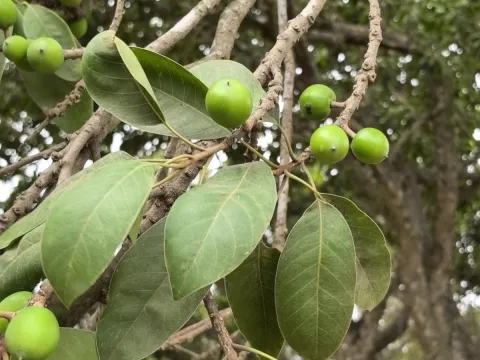
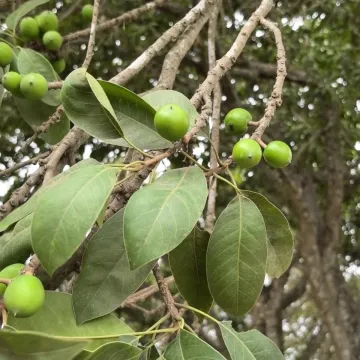
Botanically, the species is identified by its stiff, leathery leaves and dense wood architecture. The tree produces small, clustered flowers followed by fleshy berries. These reproductive characteristics facilitate biodiversity support, as the fruits are a critical food source for numerous avian and mammalian species in its habitat.
Silvicultural management requires careful site selection and monitoring of soil nutrient levels. While the tree is hardy once established, early-stage management involves protecting young saplings from excessive competition and ensuring optimal drainage, as waterlogging can impede root development and increase susceptibility to rot.
The economic value of Sideroxylon capiri lies mainly in its timber, which is renowned for its strength, durability, and resistance to environmental decay. Beyond timber, the species is increasingly utilized in reforestation projects aimed at restoring degraded tropical lands. Maintaining healthy stands requires vigilance against common tropical wood-boring insects and leaf pathogens that periodically affect the family.
Photo gallery