Silene andryalifolia
Silene andryalifolia
Description
Silene andryalifolia is a specialized perennial plant belonging to the Caryophyllaceae family. It is a rare species native to specific Mediterranean environments, known for its resilience and unique morphological adaptations. As an agricultural or horticultural subject, it remains a specialty crop appreciated by botanists and gardeners focusing on rare flora and xeriscaping.
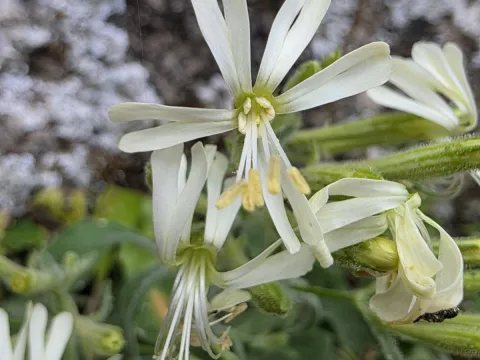
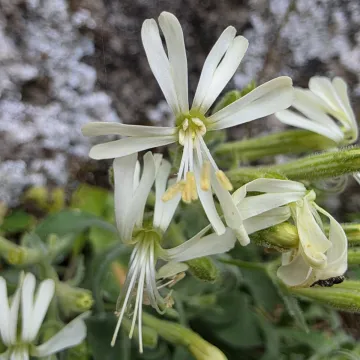
The plant is characterized by its distinct pubescent foliage, which serves as a protective mechanism against intense sunlight and transpiration. Botanically, it forms a compact, hardy base with a robust root system capable of navigating nutrient-poor, rocky substrates. Its flowers follow the standard morphology of the genus Silene, often displaying subtle aesthetic appeal that makes them desirable for collectors.
Cultivation requirements for Silene andryalifolia center on mimicking its native rocky habitat. It demands full sun exposure and exceptional soil drainage. The species is highly intolerant of waterlogged conditions, which can lead to root rot and sudden plant decline. A sandy or gritty substrate with a neutral to slightly alkaline pH is the optimal growing medium for this species.
Management practices involve minimal intervention. Irrigation should be restricted to the active growing season, and fertilization should be kept to a minimum to prevent excessive, weak growth. Propagation is typically achieved through seeds, which may benefit from stratification to ensure uniform germination. Maintaining adequate air circulation around the canopy is critical to prevent moisture-related issues.
The primary use of this species is in ornamental horticulture, particularly in alpine gardens or dry garden designs where its drought tolerance can be showcased. While generally robust, the plant can be susceptible to pests such as aphids or fungal pathogens like powdery mildew if airflow is restricted or humidity levels become excessive. Regular monitoring and proper site selection remain the most effective forms of pest and disease control.
Photo gallery