Bellidifolia catchfly
Silene bellidifolia
Description
Bellidifolia catchfly (Silene bellidifolia) is an herbaceous annual plant belonging to the Caryophyllaceae family. As an agronomic subject, this plant is primarily valued for its adaptation to marginal environments and its potential role in stabilizing sandy soils or as a constituent of biodiversity-focused botanical plots.
The species is native to the Mediterranean region, including parts of Southern Europe and Northern Africa. It typically occupies habitats such as dunes, sandy fields, and rocky outcrops. Its distribution pattern reflects a strong preference for warm, temperate climates with mild, moist winters and hot, arid summer periods that characterize the Mediterranean biome.
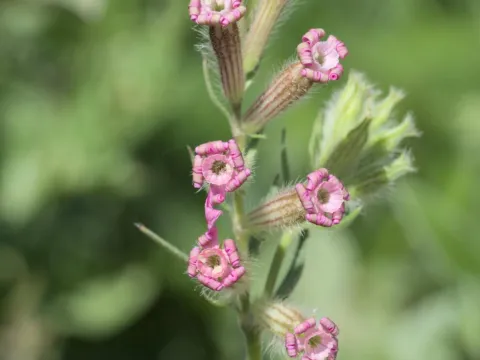
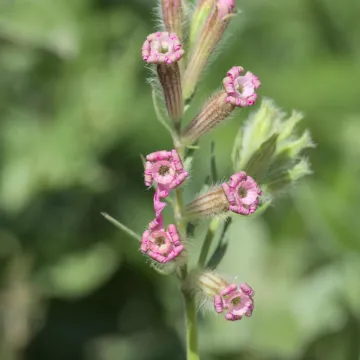
Botanically, Silene bellidifolia is recognized by its basal rosette of leaves and a slender, often glandular, stem structure. The foliage pattern is distinct, resembling the leaves of a daisy, which provides the species with its specific scientific name. The plant reaches a modest height, typically ranging between 15 to 40 centimeters, and produces characteristic flowers that are well-adapted to pollination by local insect populations.
Cultivation requirements for this species are focused on drainage and light. It thrives in loose, sandy, or stony soils with a neutral pH. From an agricultural perspective, it is considered a low-input crop, as it does not require intensive fertilization or irrigation once established. Full exposure to sunlight is essential for optimal vigor and the successful development of its reproductive organs.
When discussing plant health, common pests include aphids, which may cluster on the stems, and occasional infestations of spider mites in dry conditions. Fungal pathogens, particularly those causing root rot or leaf spots, represent the main threat when moisture levels are not carefully managed. Proper spacing and airflow are critical preventative measures in any agricultural setting where this plant is grown.
Photo gallery