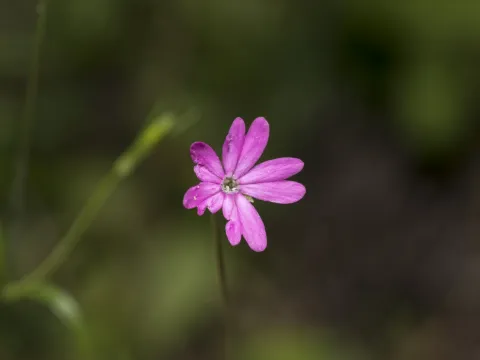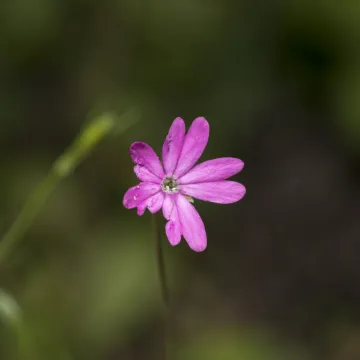
Cretan catchfly
Silene cretica
Description
Cretan catchfly (lat. Silene cretica) is an annual herbaceous plant belonging to the Caryophyllaceae family. While not a primary agricultural commodity, this plant is well-known in horticulture for its ornamental value and its specific biological adaptation to Mediterranean climates.
Originating from the Mediterranean region, including the island of Crete, this species is naturally adapted to mild winters and warm, dry summers. In agricultural settings, it is often treated as a seasonal crop that thrives in open, sunny environments where it can complete its full life cycle without excessive humidity stress.
Botanically, Silene cretica is characterized by an upright habit, growing up to 60 cm in height. It features lanceolate foliage and delicate, often pink-to-purple flowers. The plant's root system is adapted to stabilize itself in rocky or sandy soils, which reflects its wild origins in Mediterranean habitats.
The cultivation requirements for this species include well-drained soil with a neutral to slightly alkaline pH. It performs best in full sunlight and requires careful water management to prevent root rot. Proper spacing is essential to ensure adequate air circulation, which helps reduce the risk of humidity-related issues during the peak of the growing season.
The primary use of this plant is ornamental, as it is often included in wildflower mixes, landscape restoration projects, and garden borders. Like many plants in the Caryophyllaceae family, it can be susceptible to aphids and fungal pathogens like powdery mildew if conditions are too damp. Proper site selection and sanitation practices are key to successful management.
Photo gallery