Silene csereii
Silene csereii
Description
Silene csereii, known as the Scepus catchfly, is a perennial herbaceous plant belonging to the Caryophyllaceae family. While primarily recognized as a wild or ruderal species in many regions, it possesses specific biological traits that make it a subject of interest in ecological restoration and sustainable landscaping projects.
The plant originates from the steppe regions of Eastern Europe. Its natural range encompasses various temperate climates, where it has evolved to thrive on disturbed ground, dry slopes, and roadside embankments. This inherent resilience allows the species to persist in environments that would typically be challenging for more sensitive agricultural crops.
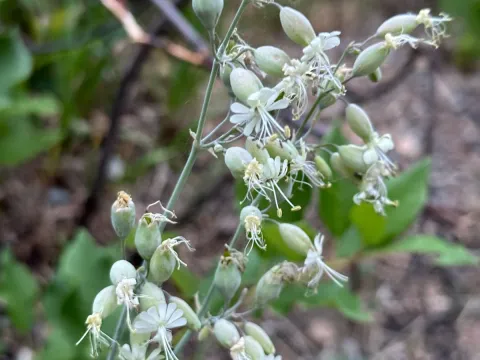
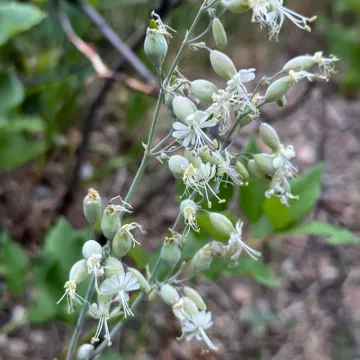
Botanically, Silene csereii is characterized by erect stems that can reach heights of 60 to 80 centimeters. Its foliage is lanceolate and simple, arranged oppositely along the stem. The inflorescence consists of panicles with delicate flowers, which are highly effective at attracting pollinators, thereby contributing to the local ecosystem's health.
Regarding cultivation, the species thrives in well-drained, sandy or loamy soils with a neutral to slightly alkaline pH. It requires full sun exposure to maintain its structural integrity and avoid etiolation. In terms of agronomic practice, managing its propagation is key, as the plant produces a significant amount of seeds that can lead to rapid spread if not monitored.
The plant is not a primary food crop, but it holds potential for soil stabilization projects on marginal lands. Potential pests include aphids and various leaf-eating insects, while root rot is the most common pathology under waterlogged conditions. Regular monitoring is advised to ensure that the plant does not negatively affect adjacent high-intensity crop fields through unwanted seed dispersal.
Photo gallery