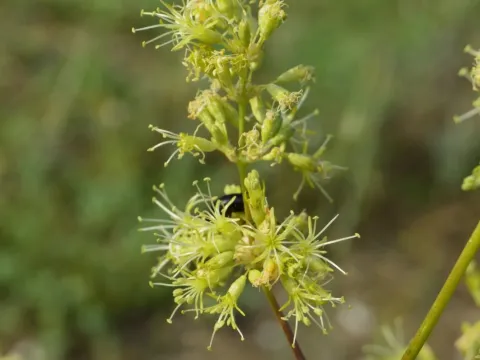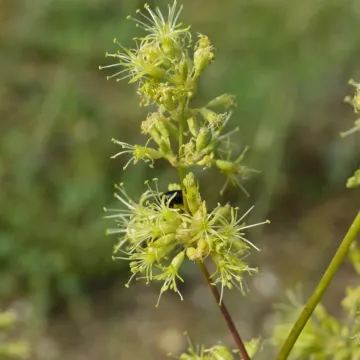
Silene densiflora
Silene densiflora
Description
Silene densiflora is a herbaceous perennial belonging to the Caryophyllaceae family. It is recognized for its dense, clustered inflorescences, which distinguish it within the diverse genus Silene. As a member of the pink family, it shares typical characteristics of drought tolerance and structural resilience.
The plant originates from the Eurasian steppes and forest-steppe regions. Its natural habitat includes territories spanning from Eastern Europe to the Caucasus and parts of Central Asia. Due to its evolutionary history, it is well-adapted to continental climates characterized by hot, dry summers and relatively cold winters.
Botanically, Silene densiflora is defined by its erect stems and lanceolate, often pubescent leaves that serve as an adaptation to minimize water loss. The plant develops a robust root system capable of penetrating compacted soil layers. Its flowering phase occurs in mid-summer, producing terminal inflorescences that attract various pollinators, which is crucial for its reproductive success.
Regarding agrotechnical requirements, the plant thrives in well-drained, sandy or loamy soils with neutral to slightly alkaline pH. It is generally resistant to moderate drought and does not require intensive irrigation after establishment. Successful cultivation involves maintaining adequate spacing to ensure proper airflow, preventing the humidity buildup that often triggers fungal growth.
The agricultural and environmental applications for Silene densiflora include:
- soil stabilization in erosion-prone areas;
- enhancing biodiversity in pasture management;
- use in ornamental prairie-style landscaping;
- serving as a nectar source for beneficial pollinating insects.
The crop is susceptible to common diseases such as rust and powdery mildew, particularly under high-humidity conditions. Primary pests include aphids and specialized lepidopteran larvae that target floral buds. Integrated pest management strategies should focus on preventive measures and monitoring to ensure healthy development and optimal seed maturation.
Photo gallery