Silene elisabethae
Silene elisabethae
Description
Silene elisabethae is a perennial herbaceous plant belonging to the Caryophyllaceae family. Highly regarded by horticulturists for its unique beauty, this species is a standout selection for rock gardens and specialized alpine collections. Its delicate appearance belies a robust nature that allows it to thrive in challenging environments where other ornamental plants might struggle.
The plant originates from the mountainous regions of the Alps, specifically localized within northern Italy. Its native habitat consists of limestone scree and rocky slopes, which provides deep insight into its ecological preferences. Over centuries, the species has evolved to withstand high-altitude UV radiation and the nutrient-poor, mineral-heavy soils characteristic of its natural range.
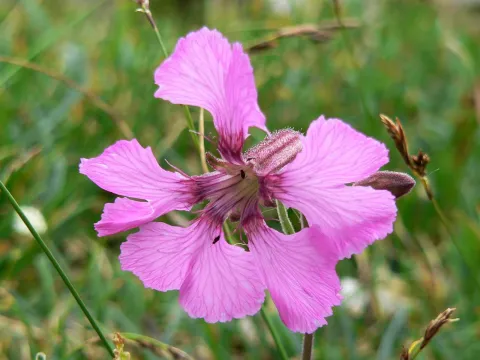
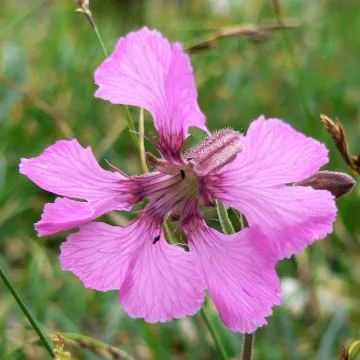
Botanically, it is characterized by a basal rosette of narrow, lanceolate leaves and ascending stems topped with showy, deep pink to magenta flowers. The petals are notably bifid or deeply lobed, creating a fringed effect that is highly distinct. The plant's root system is specialized, designed to anchor itself firmly into rocky fissures, which also dictates its need for excellent soil permeability.
Agronomic requirements for successful cultivation focus primarily on soil structure and drainage. It demands a gritty, mineral-based substrate with a neutral to slightly alkaline pH. In a garden setting, it is essential to prevent water stagnation around the crown, as this is the primary cause of plant loss. Full sun exposure is preferred, although it can tolerate light afternoon shade in warmer lowland climates.
The primary use of Silene elisabethae is ornamental, specifically in rock gardens, scree beds, and alpine troughs. While generally hardy, the plant is susceptible to root rot if maintained in damp, heavy soil. Pests such as aphids may occasionally affect flower buds, requiring vigilance during the early summer bloom period. Maintenance should be minimal, focusing on debris removal and ensuring the roots remain cool and aerated.
Photo gallery