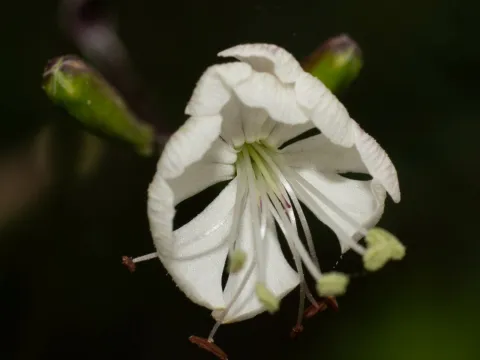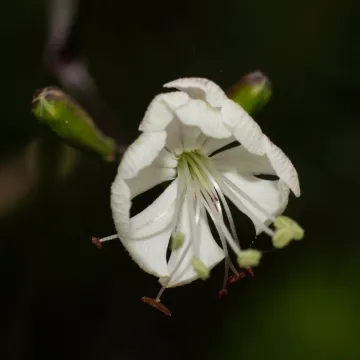
Silene longicilia
Silene longicilia
Description
Silene longicilia is a perennial herbaceous plant belonging to the Caryophyllaceae family. In the field of agronomy and plant science, this species is recognized for its significant resilience and ability to thrive in challenging edaphic conditions. Its evolutionary development in harsh environments has endowed it with specific survival mechanisms that are of interest for sustainable agricultural research.
The native distribution of this plant includes temperate regions, primarily mountainous and rocky habitats. Its adaptation to seasonal climate fluctuations and low water availability makes Silene longicilia a model organism for studies regarding drought tolerance and survival in degraded soils, suggesting potential utility in ecological restoration projects.
Botanically, the plant is characterized by a sturdy taproot system and glandular-pubescent stems. The leaves are arranged oppositely along the stem, and the species is distinguished by the presence of long cilia on the margins of its calyx, which is a key diagnostic feature. The flowers exhibit a standard pentamerous structure typical of its family, contributing to its biological stability.
The agronomic management of this crop requires specific environmental conditions to achieve optimal growth. Key requirements include:
- Well-drained soils with neutral to slightly alkaline pH levels.
- High levels of solar radiation exposure.
- Avoidance of waterlogged areas to prevent root decay.
In terms of хозяйственное (economic) use, the plant is primarily evaluated for its role in biodiversity enhancement and soil stabilization within marginal agricultural lands. Diseases such as fungal root pathogens and susceptibility to certain sap-sucking insects represent the primary challenges for cultivation. Implementing integrated pest management strategies and appropriate crop rotation cycles is recommended to maintain the health of these stands.
Photo gallery