Silene nemoralis
Silene nemoralis
Description
Silene nemoralis, commonly referred to as the woodland campion, is a perennial herb belonging to the Caryophyllaceae family. It is a robust plant species known for its resilience and ability to thrive in forest margins and open woodland areas, making it a valuable subject for botanical studies and niche agricultural projects.
Originating from temperate regions of Europe, the species is widespread in natural habitats that offer partial shade. Its agricultural range is typically associated with regions where temperate forest conditions prevail. It serves as an essential component in restoring biodiversity in managed landscapes and can be utilized in specific conservation-oriented farming practices.
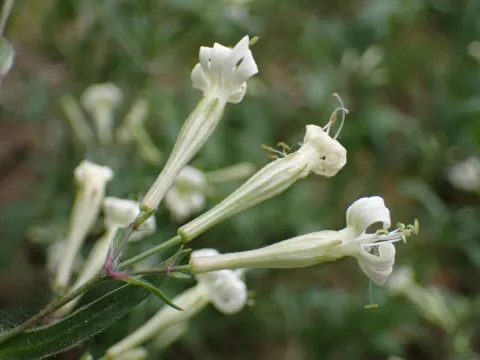
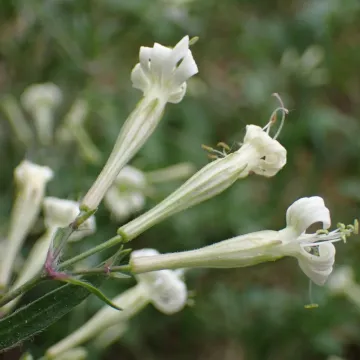
From a botanical standpoint, the plant features erect stems and opposite lanceolate leaves. It blooms during the summer months, producing delicate flowers that are primarily white. The root system is relatively deep, allowing the plant to withstand seasonal fluctuations in soil moisture effectively, provided the ground is sufficiently permeable.
Successful cultivation requires soil that is rich in organic matter with an emphasis on good drainage. While it can adapt to various conditions, it prefers neutral soil pH levels. Agronomic care involves initial weed suppression and careful spacing during seeding, which ensures optimal nutrient access and light availability for every specimen in the field.
The crop is relatively resistant to common pests, but producers should monitor for:
- leaf-chewing insects during early growth stages;
- fungal root pathogens caused by poor water drainage;
- aphid infestations during high-heat periods.
Photo gallery