Night-flowering catchfly
Silene nocturna
Description
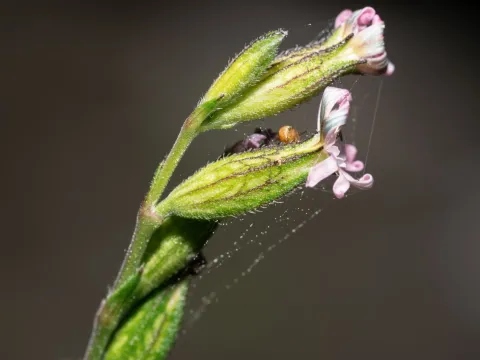
Night-flowering catchfly (Silene nocturna) is an annual herbaceous plant belonging to the Caryophyllaceae family. Within agricultural systems, it is often documented as an opportunistic species that contributes to the composition of wild pastures and marginal field margins, displaying resilience in diverse ecological settings.
The plant originates from the Mediterranean basin and has an extensive native range including parts of North Africa and Western Asia. It is highly adapted to arid and semi-arid Mediterranean climates, allowing it to thrive in regions where more demanding forage crops might struggle to establish during peak summer drought periods.
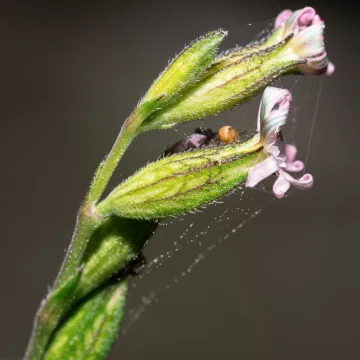
Botanically, Silene nocturna is characterized by an erect stem, typically ranging from 10 to 40 cm in height, covered with glandular hairs. Its primary botanical distinction is the nocturnal flowering habit, where blossoms emit a subtle scent at night to attract pollinators. This biological cycle is critical for its reproduction and seed dispersal within the landscape.
Agricultural requirements focus on well-drained, sandy, or loamy soil types. The plant does not require high-intensity fertilization programs, as it is adapted to nutrient-poor soils. Proper management requires avoiding waterlogging, which can lead to root degradation, and ensuring adequate spacing to allow for maximum growth during the spring growing season.
The species serves as a source of forage for small ruminants and supports local insect biodiversity. Common threats to crop health include fungal infections such as powdery mildew, especially in high humidity environments. Effective management is achieved through field rotation and the promotion of balanced soil health, which minimizes susceptibility to pests and pathogens.
Photo gallery