Spanish catchfly
Silene otites
Description
Spanish catchfly (Latin: Silene otites) is a perennial herbaceous plant belonging to the Caryophyllaceae family. In agronomy, this species is noted for its exceptional hardiness and its ability to thrive in challenging environmental conditions where more demanding crops would fail.
The plant is native to a broad range of regions across Europe and Western Asia. It is commonly found in dry grasslands, sandy heaths, and steppe environments. Its evolution in these specific habitats has endowed the species with profound resistance to extreme heat, drought, and limited soil nutrients.
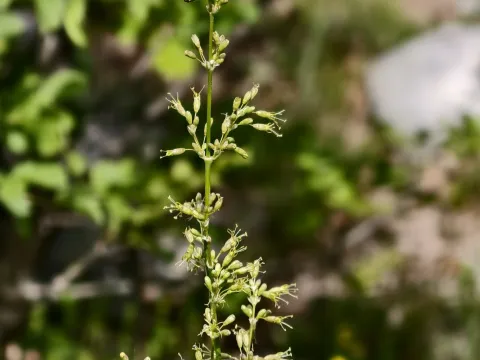
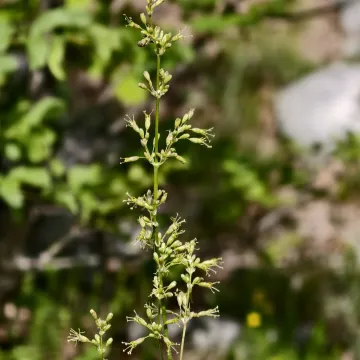
Botanically, it features a sturdy taproot and a rosette of basal leaves, sending up a stiff, elongated flowering stem. The inflorescence, a panicle, bears small greenish-yellow flowers that typically release fragrance during the evening hours to attract specific nocturnal pollinators, which is a key adaptive strategy for the species.
Agronomic requirements for this crop focus primarily on soil drainage. It performs best in sandy or rocky substrates where root aeration is guaranteed. Overwatering or heavy, waterlogged soils are detrimental, as they encourage root rot and fungal pathogens, effectively limiting the crop's productive potential in humid climates.
Regarding its utility, the plant is primarily harvested for medicinal research due to the presence of saponins and flavonoids. Furthermore, its role in conservation agriculture is significant; it serves as a stabilizer for sandy soils, helping to mitigate wind erosion while maintaining biodiversity in non-irrigated agricultural sectors.
- Excellent drought and cold tolerance.
- Well-suited for sandy and nutrient-poor soils.
- Valuable for medicinal properties and chemical extracts.
- Susceptible to fungal disease if soil drainage is poor.
Photo gallery