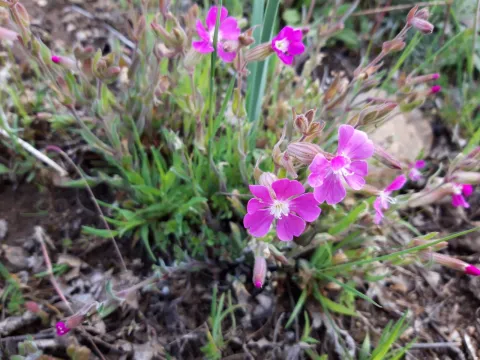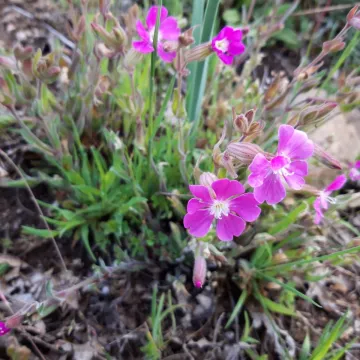
Sandy catchfly
Silene psammitis
Description
Sandy catchfly (Silene psammitis) is a herbaceous perennial plant belonging to the Caryophyllaceae family. In agricultural and horticultural terms, it is recognized for its unique ability to thrive in harsh, nutrient-poor environments, making it a valuable subject for specialized land management and ecological restoration projects.
The species originates from sandy and stony habitats, with its distribution range primarily covering dry, temperate regions. Its evolutionary history in such environments has equipped it with strong resilience against extreme heat and prolonged droughts, allowing it to survive in areas where traditional crop maintenance would fail.
Botanically, this plant is characterized by a sturdy taproot system and pubescence on its leaves and stems. These features assist in moisture retention and minimize transpiration losses during peak summer temperatures. The plant exhibits a slow but steady growth rate, dedicating significant energy to root development in the initial stages of its life cycle.
Agronomically, Silene psammitis demands well-drained soil, preferably of a sandy or gravelly texture, with a neutral pH level. It does not require intensive fertilization; in fact, excess nitrogen application is often detrimental, as it encourages soft, weak growth that becomes susceptible to wind damage and fungal infections. Adequate sun exposure is critical for the plant to achieve its potential bloom.
In terms of pest management, the plant is relatively robust, though growers should be vigilant against root rot caused by poor soil drainage and certain aphids that may colonize the tender foliage. Integrated pest management (IPM) practices, such as maintaining weed-free areas and avoiding overwatering, are sufficient to keep the crop healthy and productive.
- Excellent drought tolerance.
- Adaptability to low-fertility soils.
- Low requirement for commercial fertilizers.
- High aesthetic and ecological value in restoration.
Photo gallery