Roemer's catchfly
Silene roemeri
Description
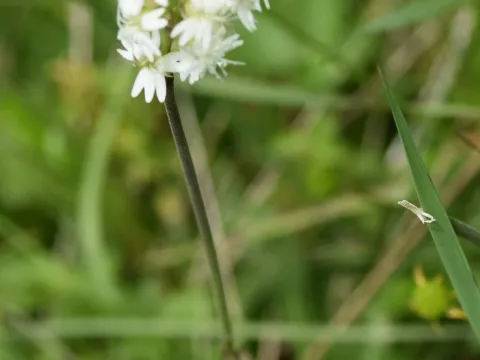
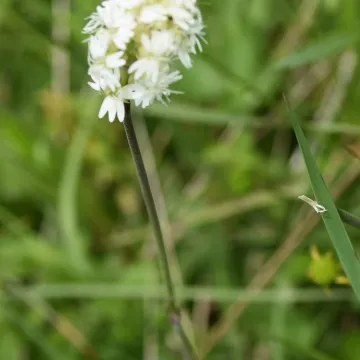
Roemer's catchfly (Silene roemeri) is a perennial herbaceous plant belonging to the Caryophyllaceae family. In agronomic and landscaping applications, this species is valued for its hardiness, structural integrity, and ability to thrive in poor soils where other ornamental crops might fail to establish.
The plant originates from Southeastern Europe, specifically the Balkan region. Its native habitat includes rocky terrain and mountain slopes, which dictates its preference for well-drained conditions. In agricultural practice, it is successfully adapted to temperate climates, showing significant resistance to seasonal cold and moderate drought conditions.
Botanically, Silene roemeri features a basal rosette of narrow, lance-shaped leaves and erect flowering stems. The reproductive cycle is efficient, with the plant producing numerous seeds. The root structure is fibrous and deeply branched, providing stability and allowing the plant to draw nutrients from deeper soil layers, which makes it drought-tolerant once established.
The cultivation of this species requires meticulous attention to drainage. It thrives in soils with low organic content and high mineral composition, such as limestone-based or sandy soils. Excessive fertilization should be avoided, as it can cause the stems to become weak and prone to lodging. Optimal placement is in full sun, ensuring adequate airflow to prevent moisture-related issues.
- Soil Type: Well-drained, sandy or gravelly loam.
- Watering: Minimal, allowing the soil to dry out between cycles.
- Propagation: By seed or careful division of mature root crowns.
- Growth Habit: Forms dense, ground-covering clumps over time.
Regarding phytosanitary management, the primary concerns are crown rot and mildew, typically caused by poor drainage or high humidity levels. Common garden pests, such as aphids, may colonize the flower stalks, though usually not at levels requiring chemical intervention. Sustainable management practices, such as choosing the correct planting site, generally eliminate the need for heavy pesticide usage.
Photo gallery