Thyme-leaved catchfly
Silene thymifolia
Description
Thyme-leaved catchfly (Latin: Silene thymifolia) is a perennial herbaceous plant belonging to the Caryophyllaceae family. This species is highly specialized for arid environments, displaying structural adaptations that allow it to thrive in nutrient-poor and dry soil conditions where other vegetation struggles to survive.
Its natural range is primarily concentrated in the steppe regions and coastal sandy areas of the Black Sea basin. As a hardy xerophyte, the plant has evolved to withstand high solar radiation and extreme soil temperature fluctuations, making it an excellent candidate for specialized ecological plantings.
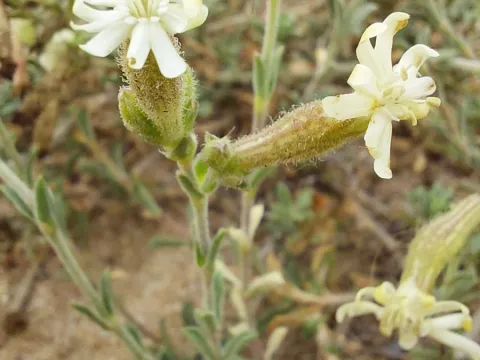
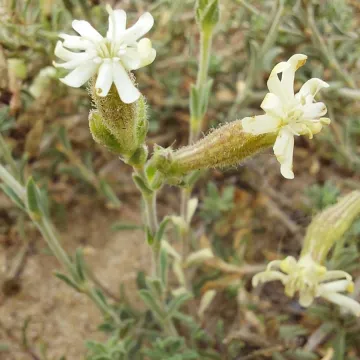
From a botanical perspective, the plant is characterized by its prostrate, branching stems and narrow, thyme-like foliage that creates a dense cushion-like habit. The inflorescences consist of small, delicate flowers with a distinctively veined calyx, a feature common to many members of the Silene genus.
The cultivation of Silene thymifolia requires careful management of the growing medium, with priority given to excellent drainage. It is essential to use a gritty or sandy soil mix to mimic its natural habitat. Overwatering is the most common cause of failure in cultivation, as high moisture levels in the root zone quickly lead to crown rot and fungal diseases.
In practice, the plant is valued for xeriscaping and rock gardens. Its ability to tolerate drought and poor soil makes it a low-maintenance choice for dry landscaping projects. While generally resilient, growers should monitor for common Caryophyllaceae pests such as aphids or lepidopteran larvae, ensuring that plants are grown in well-ventilated conditions to prevent moisture-related pathogen outbreaks.
Photo gallery