Silphiodaucus hispidus
Silphiodaucus hispidus
Description
Silphiodaucus hispidus is a herbaceous perennial plant belonging to the Apiaceae family. Formerly classified under the genus Laserpitium, it is now distinguished within the genus Silphiodaucus. This plant is known for its resilience and distinctive morphological features, which have allowed it to persist in various temperate ecosystems across Europe.
The native range of this species primarily covers central and southeastern European mountain regions and hillsides. It typically thrives in well-drained, calcareous substrates, often occupying meadows and forest margins. Its ability to tolerate dry conditions and stony soils makes it a robust plant, well-adapted to environments where other species might struggle due to limited water retention.
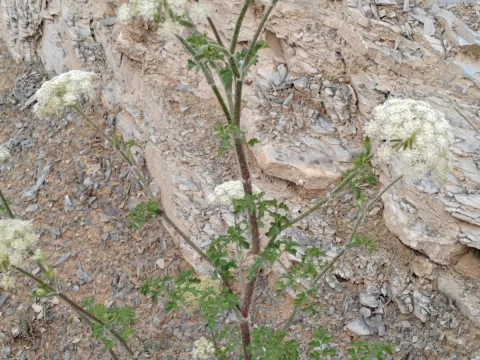
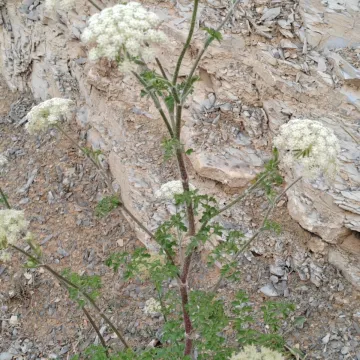
Botanically, the plant is characterized by a height of up to one meter, featuring stiff, bristly hairs on its foliage and stems. Its leaves are complex and pinnate, providing a lush appearance during the vegetative stage. The inflorescences are large, compound umbels composed of small, pale flowers. These structures are highly attractive to pollinators, playing an important ecological role in its native habitat.
Cultivation requirements for this species include plenty of sunlight and a substrate with a neutral to alkaline pH. Good drainage is essential, as the plant is susceptible to root rot if waterlogged for extended periods. When sowing, it is advisable to use cold stratification to mimic natural conditions, which significantly improves germination rates. Once established, the plant requires minimal irrigation and fertilizer.
The economic and practical utility of Silphiodaucus hispidus is largely tied to its secondary metabolites, including essential oils and coumarin derivatives. These compounds are of interest in pharmacological research and traditional herbal medicine. Furthermore, its role as a honey plant and its hardiness against many common pests of the Apiaceae family make it a candidate for sustainable agroforestry and garden landscapes.
- Excellent tolerance to dry and rocky soil types.
- Requires full sun exposure for optimal flowering.
- High resistance to common umbellifer pests.
- Useful for supporting local pollinator biodiversity.
Photo gallery