Silvianthus bracteatus
Silvianthus bracteatus
Description
Silvianthus bracteatus is a distinctive plant species belonging to the Alseuosmiaceae family. This genus is known for its rarity and specific biological characteristics, primarily thriving as a perennial shrub in specialized ecological niches within tropical forest habitats. It serves as a significant subject for botanical research due to its isolated distribution.
The plant originates from the tropical regions of Southeast Asia, particularly localized in mountainous forest areas of Vietnam, Laos, and parts of China. It is highly adapted to the understory of dense forests, where the microclimate is defined by consistent shade, high ambient humidity, and stable, relatively mild temperatures throughout the growth cycle.
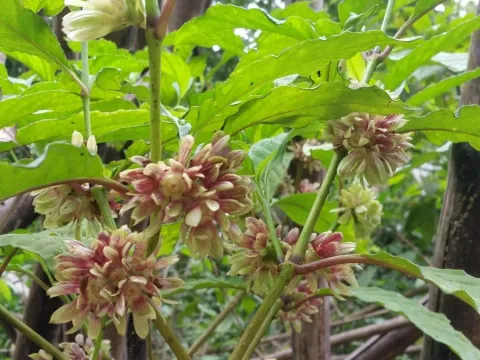
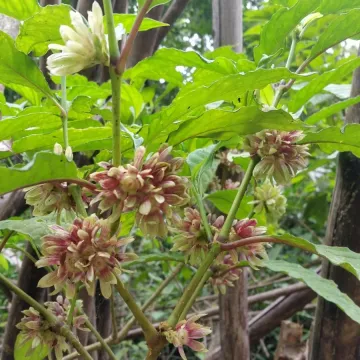
Its botanical profile is defined by its evergreen foliage and prominent bracts that surround the inflorescences, a feature that distinguishes it from related taxa in the region. The morphology of the flower and the overall growth habit indicate a specialized relationship with specific local pollinators, which has contributed to the species' ecological narrowness.
Cultivation requirements for this species are demanding, as it is not suited for open-field agriculture. It requires a substrate rich in organic matter, typically imitating forest litter, with an acidic pH balance. Maintaining a consistent moisture level in the soil and preventing the root system from drying out is essential for the health of the plant.
- Requires high humidity levels exceeding 70%.
- Needs filtered or indirect light exposure to prevent leaf scorch.
- Demands well-drained, airy soil with high peat or leaf mold content.
- Lacks cold hardiness and requires tropical to subtropical temperature ranges.
Regarding its economic and practical use, Silvianthus bracteatus remains primarily a niche plant of interest for botanical gardens, research facilities, and collectors of rare tropical flora. It does not possess significant agricultural or industrial application, but its conservation remains important for maintaining the botanical diversity of the Asian forest ecosystems where it natively resides.
Photo gallery