Bitterwood
Simarouba amara Aubl.
Description
Bitterwood (Simarouba amara Aubl.) is a perennial tropical tree species belonging to the Simaroubaceae family. It is widely recognized for its ecological importance and its valuable biochemical properties, which have been utilized for centuries by indigenous populations in South and Central America.
The native range of this tree extends throughout the Amazon basin and the Caribbean islands. It thrives in tropical rainforest conditions, characterized by high levels of humidity and warm temperatures throughout the year. Simarouba amara is a fast-growing species that often colonizes clearings, playing a vital role in forest succession and biodiversity.
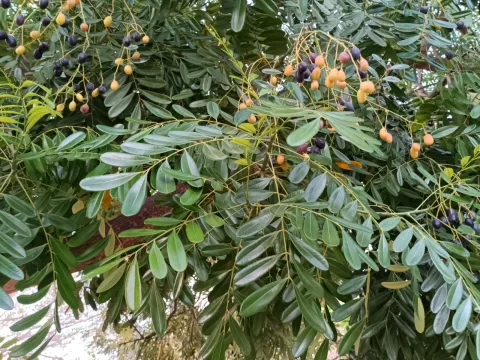
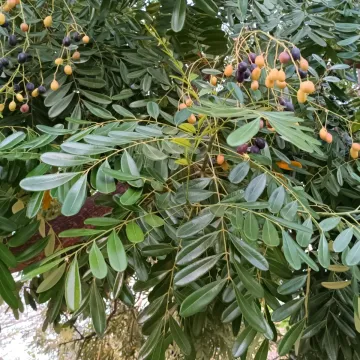
Botanically, the tree is noted for its straight, cylindrical trunk and compound, pinnate leaves. The tree produces small yellow-green flowers and drupe-like fruits. The wood itself is light, soft, and easy to work with, which has made it a popular choice for timber production in regional wood industries. The bark and seeds are particularly rich in phytochemicals.
Agricultural cultivation requires specific attention to soil drainage and sun exposure. While the tree is hardy, it benefits from deep, fertile tropical soils. Standard nursery practices for Simarouba amara include growing seedlings in well-protected environments before transplanting them into plantations. Weed control during the early stages of development is crucial to ensure rapid growth.
Commercial applications of Simarouba amara are diverse:
- Timber and woodworking for light indoor furniture and veneer production.
- Pharmaceutical industry applications focusing on the antimalarial and digestive health properties of its bark extracts.
- Sustainable agroforestry projects aimed at reforestation and carbon sequestration in tropical areas.
Common issues affecting the tree include fungal diseases related to root rot and specific tropical pests that target the leaves. Effective management requires maintaining optimal spacing between trees to ensure proper airflow and monitoring for signs of infestation early. Sustainable management practices help ensure the longevity of bitterwood stands.
Photo gallery