Paradise tree
Simarouba glauca
Description
The Paradise tree (Simarouba glauca) is an evergreen tree belonging to the Simaroubaceae family. In natural conditions, the tree reaches significant size, possessing a spreading crown and durable wood. The crop is highly valued for its potential in vegetable oil production and its diverse applications in the pharmaceutical industry.
The native range of this tree includes the tropical regions of the Americas, such as Florida, the Caribbean, and Central American countries. Currently, its cultivation area has expanded to include India and other tropical regions, where it is grown on plantations as a source of valuable raw material for food and industrial processing.
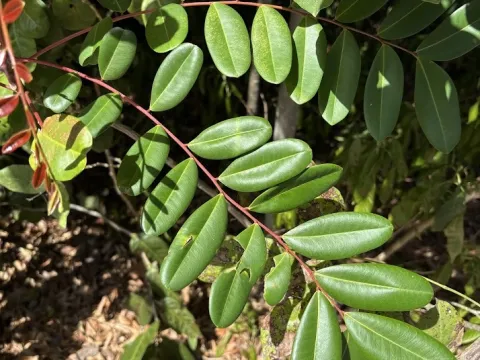
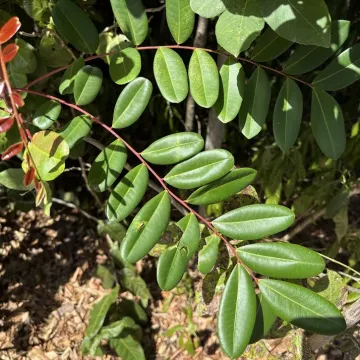
Botanically, the paradise tree features alternate, leathery leaves and small yellowish-green flowers arranged in panicles. The fruits are drupes that turn dark upon ripening. The seeds of the tree are noted for their high oil content, which makes them a key focus of agronomic research and plantation development.
The crop requires a hot tropical climate with moderate rainfall. It prefers deep, well-drained soils with a neutral to slightly acidic pH. Simarouba is highly drought-tolerant and capable of growing on marginal soils where other crops exhibit low yields, making it an excellent candidate for the reclamation of degraded lands.
Economic utilization covers several areas:
- Production of edible oil, which is comparable in quality to olive oil.
- Usage of bark and leaves in traditional medicine due to high concentrations of quassinoids and alkaloids.
- Utilization of timber in carpentry and paper manufacturing.
- Application in agroforestry for soil conservation and erosion control.
While the tree faces few major pests or diseases in large-scale cultivation, high humidity can lead to fungal leaf infections. Management involves adhering to good agricultural practices, such as proper pruning for canopy development and maintaining optimal planting density to ensure healthy plantation growth.
Photo gallery