Simsia foetida
Simsia foetida
Description
Simsia foetida is an annual herbaceous plant belonging to the Asteraceae family. Known for its strong, pungent odor when foliage is crushed, it is a resilient botanical species that has evolved unique chemical defenses to thrive in its native habitats across the Americas.
The plant originates from Central America and the southern regions of the United States. Its natural distribution is largely concentrated in open woodlands, grasslands, and disturbed areas where it demonstrates remarkable adaptability to semi-arid climates and fluctuating environmental conditions typical of these zones.
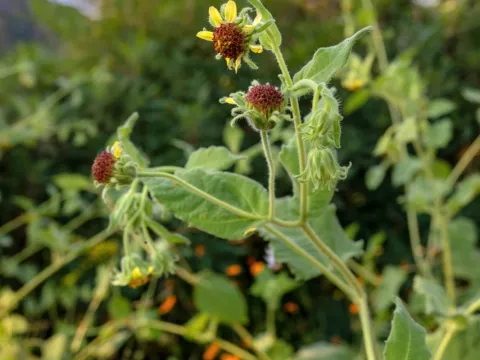
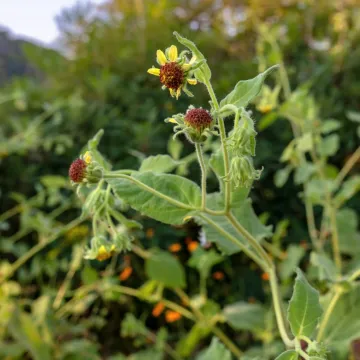
Botanically, the species is characterized by its erect stems that can reach significant heights, often covered with fine glandular hairs. The foliage is typically alternate, while the inflorescences consist of small, yellow flower heads that resemble many other members of the sunflower family, attracting diverse pollinators throughout the season.
Cultivation requirements favor well-drained, porous soils that prevent waterlogging, as the species is sensitive to root rot in poorly aerated environments. It thrives best in full sun exposure and requires relatively little maintenance once established, making it suitable for regions with limited rainfall where conventional crops might struggle.
Economically, while not a primary commercial crop, Simsia foetida is studied for its potential in sustainable agriculture. Its chemical profile, which includes active phytochemicals, suggests potential use in integrated pest management strategies. Furthermore, its ability to grow in poor soils provides value for soil stabilization and biomass production in niche agricultural research.
Photo gallery