Sinapidendron angustifolium
Sinapidendron angustifolium
Description
Sinapidendron angustifolium is a perennial woody plant belonging to the Brassicaceae family. Distinct from common agricultural crops in this family, it is an endemic species known for its resilience and unique growth pattern, often categorized as a subshrub, which allows it to thrive in challenging environments where typical annuals struggle.
The species originates from the Madeira archipelago. Its natural habitat consists of rocky slopes and cliffside environments. For agricultural cultivation, it requires a climate that closely mimics the Mediterranean or oceanic conditions of its origin, characterized by mild, frost-free winters and moderate summer temperatures, which prevents the plant from experiencing thermal stress.
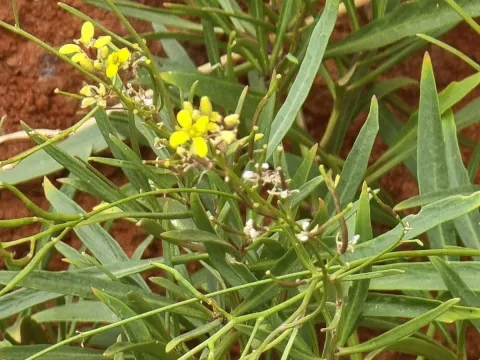
Botanically, it features narrow foliage and a well-developed root system adapted for anchoring in stony, poor-nutrient soils. The growth form is semi-woody, providing structural integrity. During the reproductive phase, it produces inflorescences characteristic of the mustard family, which are significant for local pollinator activity within its native ecosystem.
Requirements for successful cultivation include excellent soil drainage, as the plant is highly sensitive to root asphyxiation caused by waterlogged soil. It thrives best in alkaline to neutral substrates with high mineral content. Proper spacing is essential to ensure adequate air circulation, which prevents the development of fungal pathogens and promotes uniform plant development throughout the growing season.
The economic value of this crop is primarily focused on botanical study and its potential use as a genetic reservoir for breeding more resilient brassica cultivars. Typical pests include standard brassica insects, such as flea beetles and various lepidopteran larvae. Disease management focuses on mitigating root rot and downy mildew, which are common when plants are exposed to high humidity or inadequate ventilation.
Photo gallery