Siphonostegia chinensis
Siphonostegia chinensis
Description
Siphonostegia chinensis is an annual herbaceous plant belonging to the Orobanchaceae family. As a hemiparasitic species, it maintains its lifecycle by tapping into the root systems of host plants to extract minerals and moisture, a unique adaptation that distinguishes it from traditional fully autotrophic crops.
Native to East Asian territories, particularly China, Japan, and Korea, this plant thrives in diverse terrains, ranging from mountain meadows to sunny hillsides. Its natural habitat dictates the ecological requirements, as it is well-adapted to varied soil compositions, provided it has access to suitable host roots.
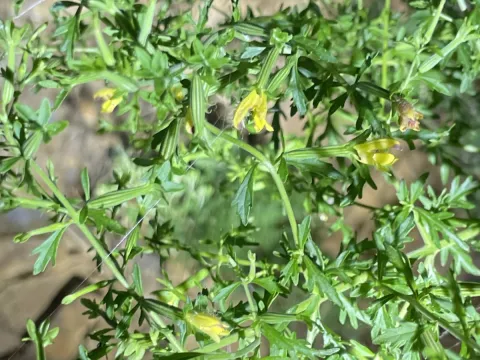
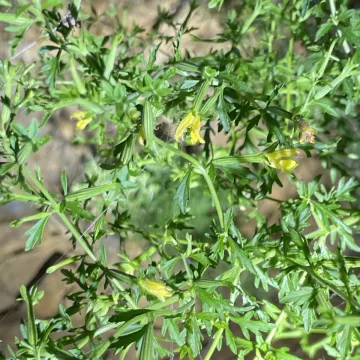
Botanically, the plant is characterized by a straight, leafy stem and distinctive tubular flowers that display a vibrant yellow hue. The root system is the most complex part of its biology, featuring specialized haustoria that penetrate host tissues to facilitate nutrient transfer without necessarily causing significant harm to the host plant in managed conditions.
Agricultural cultivation involves precise management of soil health and host selection. The soil should be well-drained and kept at a stable moisture level to prevent root rot. Proper spacing is essential, as the hemiparasitic nature requires each specimen to have adequate proximity to the companion host plants to ensure sufficient nutrient uptake throughout the growth season.
The primary utility of Siphonostegia chinensis lies in its medicinal properties. The plant is widely recognized for its high concentration of phenylethanoid glycosides, which contribute to its anti-inflammatory and antioxidant profiles. Furthermore, researchers are exploring its potential in the development of botanical pesticides, highlighting its versatility beyond traditional herbal medicine.
Photo gallery