Corn parsley
Sison segetum
Description
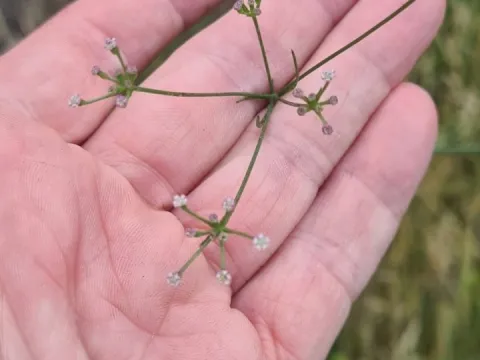
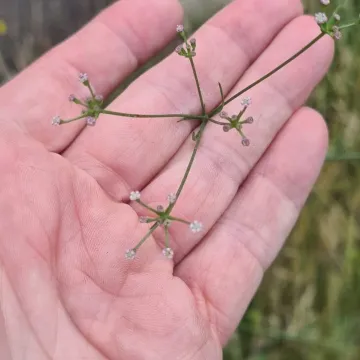
Corn parsley (Sison segetum) is a herbaceous plant belonging to the Apiaceae family. Often distinguished from the common garden parsley, this species possesses distinct morphology and growth habits. It functions as a biennial plant, developing a leafy rosette in its first year and bolting to produce flower stalks in its second year of life.
The plant originates from regions in Western Europe and is found naturally in meadows, coastal areas, and hedgerows. Its distribution range is centered in temperate climates where moisture levels remain consistent throughout the growing season. This environmental preference dictates its specific cultivation requirements in various agricultural settings.
Botanically, it is characterized by finely divided, pinnate leaves and slender, branched stems. The root system is tap-rooted and capable of establishing firmly in various substrates. It thrives best in fertile, well-drained loamy soils that maintain consistent moisture levels without becoming waterlogged, preferring a neutral soil pH.
Cultivation practices involve sowing seeds in early spring or autumn. Due to its slow germination rate, irrigation must be managed carefully to keep the soil surface moist but not saturated. Essential agrotechnical practices include consistent weeding to reduce competition for nutrients and thinning seedlings to ensure adequate airflow, which is critical for plant health.
The culinary use of corn parsley is primarily as an aromatic herb, valued for its unique flavor profile. Regarding plant health, common issues include fungal leaf spots and infestations of aphids or carrot flies. Integrated pest management strategies, such as crop rotation and the use of physical barriers or targeted organic treatments, are recommended to maintain high crop yields.
Photo gallery