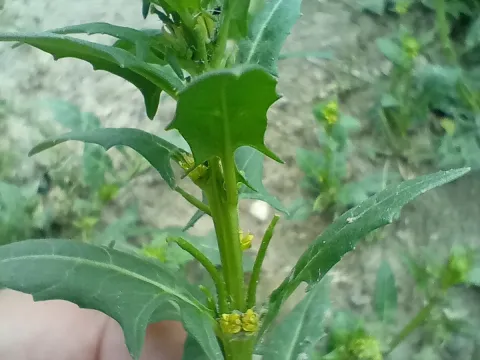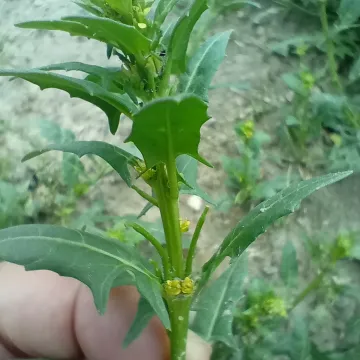
Sisymbrium polyceratium
Sisymbrium polyceratium
Description
Sisymbrium polyceratium, commonly known as a type of hedge mustard, is an annual herbaceous plant belonging to the Brassicaceae family. In agronomy, this plant is recognized for its rapid growth cycle and high seed production. Its structural integrity and morphology make it a unique subject of study within the cruciferous plant group, particularly regarding its adaptability to diverse environmental conditions.
The original habitat of this species is concentrated in Southern and Central Europe, extending into Mediterranean areas. It thrives in disturbed soils, roadsides, and agricultural field edges. The plant's distribution reflects its ability to colonize environments where other species struggle, demonstrating resilience to fluctuating climatic patterns such as late frosts or short-term summer heat waves.
Botanically, Sisymbrium polyceratium features an upright stem with distinctively arranged pods. The leaves are typically lobed, and the small, yellow flowers are organized in terminal racemes. Its root system is relatively deep for an annual, allowing the plant to access moisture in the subsoil layers. This biological configuration facilitates efficient nutrient uptake during the critical stages of its rapid life cycle.
Regarding cultivation requirements, the plant prefers well-drained, nutrient-rich soils with a neutral pH balance. Agronomic management requires careful monitoring of plant density to ensure sufficient airflow and light penetration. While it does not require intensive irrigation, consistent soil moisture during the germination phase significantly enhances overall biomass production, which is crucial for its potential utility.
Agricultural uses are currently focused on its role in green manuring and soil structure improvement. However, management is required to prevent it from becoming invasive in neighboring crop stands. Key challenges include:
- Susceptibility to flea beetle infestations.
- Management of fungal pathogens in humid climates.
- Regulation of seed bank persistence in the soil.
Photo gallery