China root
Smilax china
Description
China root (Latin: Smilax china) is a perennial woody climber belonging to the Smilacaceae family. The plant is primarily recognized for its large, tuberous, and knobby rhizomes, which have been valued for centuries in traditional medicine. As an agricultural crop, it is a hardy climbing vine that requires specific environmental conditions to yield high-quality raw material for the pharmaceutical industry.
The native range of Smilax china covers East Asian territories, specifically China, Korea, and Japan. It thrives in humid subtropical and warm-temperate zones, where the climate allows for a long growing season. Its cultivation is concentrated in regions that provide sufficient moisture and mild winters, as the plant’s development is highly dependent on constant vegetative growth periods to bulk up the rhizomes.
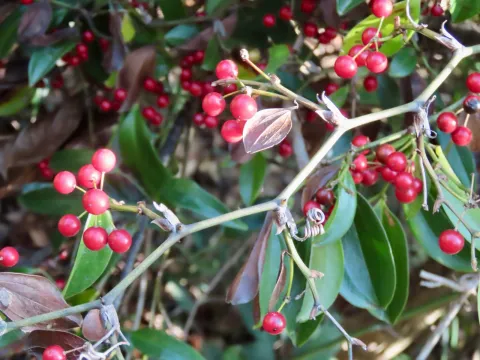
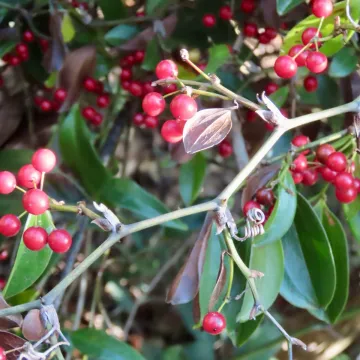
Botanically, the China root vine is characterized by its stiff, often thorny stems and leathery, alternate leaves. It utilizes tendrils to climb, allowing it to reach vertical structures efficiently. The plant produces small umbels of flowers, followed by berries that serve as the primary means of natural seed dispersal. In commercial farming, however, vegetative propagation via root division is the preferred method for maintaining genetic uniformity.
Successful cultivation requires well-drained, sandy loam soils rich in organic matter. The crop demands consistent soil moisture, yet it is highly sensitive to waterlogging, which can cause root rot. Agronomic practices include setting up trellis systems to ensure proper airflow and light penetration. Management also involves seasonal fertilization and weed control, which are essential to protect the shallow root systems from competition.
- Importance of robust support structures for climbing.
- Need for light, well-aerated soil compositions.
- Regular inspection for common pests like scale insects.
- Sustainable harvesting cycles of the rhizomes.
The primary economic use of China root is in the production of herbal supplements, diuretics, and anti-inflammatory remedies. Its chemical profile, which includes flavonoids and saponins, makes it a valuable asset for medicinal export markets. Beyond its pharmacological potential, the plant is increasingly utilized in vertical landscaping and ecological restoration projects, where its vigorous growth and ground-covering ability are considered beneficial.
Photo gallery