Smilax nipponica
Smilax nipponica
Description
Smilax nipponica is a perennial herbaceous plant species that belongs to the Smilacaceae family. Unlike many other members of the genus that inhabit tropical zones, this specific variety is known for its resilience and ability to thrive in cooler environments, making it a subject of interest for both professional botanists and enthusiasts.
Native to East Asia, including Japan and the Korean Peninsula, the natural habitat of this plant consists mainly of forested areas and shaded hillsides. In its wild form, it demonstrates high adaptability to specific soil microclimates, which serves as a foundation for understanding its cultivation requirements in agricultural settings.
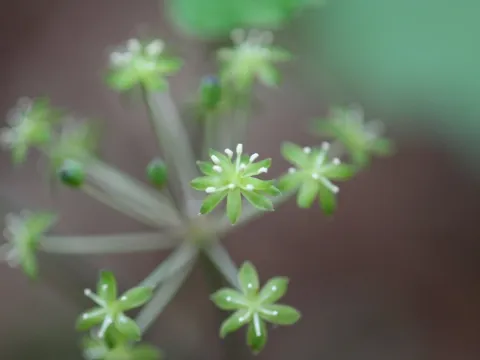
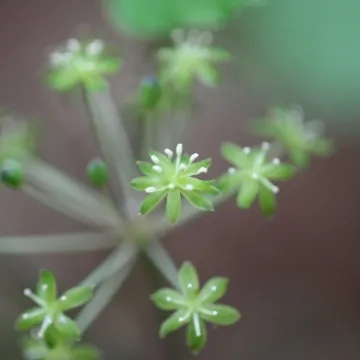
Botanically, Smilax nipponica is defined by its strong rhizomatous root system and stems that exhibit a climbing or spreading growth habit. The foliage is characteristically shaped and provides structural complexity to its surroundings. Its reproductive organs produce small inflorescences that develop into berries, which is a common trait within the broader Smilacaceae family.
Agricultural requirements focus heavily on soil quality and water management. The species thrives in humus-rich, well-draining soils with a neutral or slightly acidic pH level. Consistent irrigation is vital, especially during the growth phase, while ensuring that the root system is not subjected to prolonged waterlogging, which could lead to root rot.
The economic and practical utilization of this plant covers several domains:
- Ornamental horticulture for shading or vertical gardening projects.
- Medicinal plant research exploring the chemical potential of rhizomes.
- Conservation agriculture in botanical collections and specialized nurseries.
Common pests and diseases include fungal infections that manifest as leaf spots or stem decay if environmental humidity is too high. Insect pests such as mites and aphids may appear during stress periods or drought. Maintaining good aeration in the planting area and regular monitoring of plant vigor are the most effective strategies to prevent yield loss and ensure long-term health.
Photo gallery