Smilax regelii
Smilax regelii
Description
Smilax regelii is a perennial woody vine belonging to the Smilacaceae family, widely recognized as a primary botanical source of sarsaparilla. This plant is characterized by its hardy, climbing stems and dense foliage, which allow it to thrive in dense tropical environments. In a professional agricultural context, it is managed primarily for its extensive, nutrient-rich rhizomes.
Native to Central American countries such as Honduras and Belize, the crop requires specific tropical climatic conditions to reach its full potential. It prefers consistent humidity and temperatures that do not drop below freezing, making it suitable for equatorial farming regions. The plant utilizes its specialized tendrils to climb trees, an behavior that must be replicated using structural trellises in commercial cultivation setups.
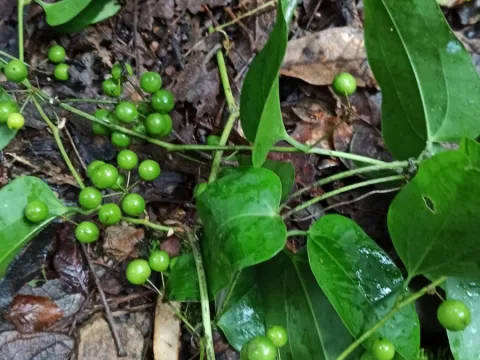
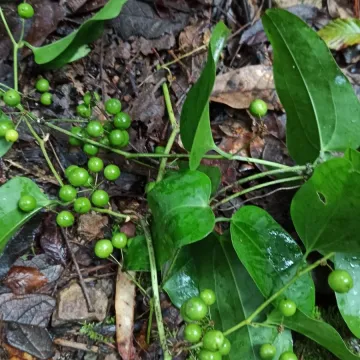
Botanically, Smilax regelii features tough, knotty rhizomes that store medicinal compounds. The stems are armed with sharp prickles, which act as a defense mechanism against herbivores. The leaves are typically heart-shaped or elliptical with a leathery texture, designed to optimize photosynthesis under dappled sunlight. Its growth cycle is relatively slow, requiring significant time for the roots to reach harvestable mass.
Successful cultivation relies on well-draining, nutrient-rich soil with a high organic matter content. Because the plant is susceptible to root rot, field selection must ensure that the water table is not too high. Agronomists often recommend mulching to maintain soil temperature and moisture levels, alongside vertical support systems to keep the foliage off the ground, which prevents several common fungal issues.
The commercial use of this crop centers on the extraction of beneficial compounds from its roots. Key sectors include:
- Production of traditional beverages and tonic supplements.
- Manufacturing of pharmaceutical extracts for anti-inflammatory medications.
- Use in herbal medicine for detoxification purposes.
Common health issues in Smilax regelii plantations usually stem from soil-borne fungi and insect infestations. To mitigate these risks, growers employ integrated pest management strategies, focusing on proper spacing to ensure adequate air circulation and regular monitoring for signs of rot or insect damage in the root zone and stems.
Photo gallery