
Smithia sensitiva
Smithia sensitiva
Description
Smithia sensitiva is an annual herbaceous plant belonging to the family Fabaceae. This species is widely recognized for its sensitive foliage, which closes when touched, exhibiting a rapid thigmonastic movement common to several leguminous species within the legume family.
Originating from tropical regions of Asia and Africa, this plant is naturally found in wetlands, paddy fields, and along the edges of permanent bodies of water. Its ability to adapt to diverse tropical environments makes it a significant component of local ecosystems in its native range, spanning from India to Southeast Asia.
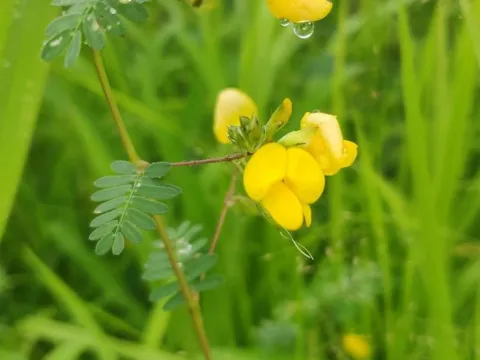
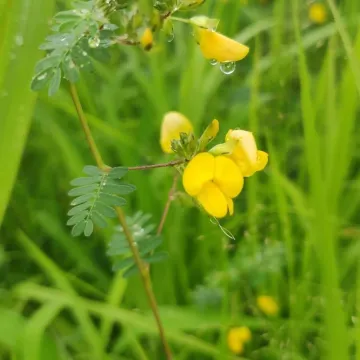
The botanical structure consists of slender, branching stems and pinnate leaves with multiple leaflets. The inflorescences appear as small, yellow, raceme-like clusters emerging from leaf axils. Following pollination, the plant produces characteristic jointed pods that break into individual segments containing seeds, ensuring effective dispersal in wet habitats.
Cultivation requirements focus heavily on soil moisture and ambient temperature. Smithia sensitiva thrives in water-logged soils, often serving as a beneficial presence in rice paddies. It requires consistent tropical warmth and high humidity to complete its life cycle efficiently, as it is highly sensitive to cold stress and frost.
In agricultural practice, the crop is primarily valued as a green manure due to its nitrogen-fixing capabilities, which improve soil fertility for subsequent plantings. It is also grazed by livestock in some regions, providing a source of vegetation. Regarding plant health, growers should monitor for common pests such as aphids and fungal pathogens like powdery mildew, which can arise if planting density is too high in stagnant air conditions.
Photo gallery