Smyrnium orphanidis
Smyrnium orphanidis
Description
Smyrnium orphanidis is a distinct species within the Apiaceae family, known for its aromatic properties and potential in small-scale agriculture. This perennial herb is recognized for its unique physiological characteristics that set it apart from more common members of the celery family, making it a subject of interest for both botanists and herb producers.
The plant is native to the Eastern Mediterranean region, specifically flourishing in mountainous areas and rocky terrains. Its evolutionary history in these habitats has equipped it with strong resilience to environmental fluctuations. While it is not widely cultivated on an industrial scale, it is increasingly favored in specialized gardening and botanical cultivation for its unique profile.
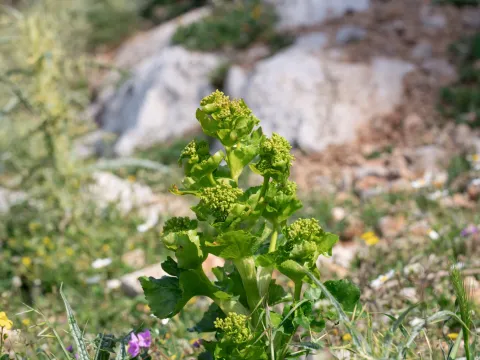
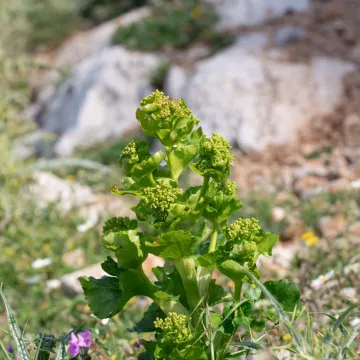
Botanically, Smyrnium orphanidis is characterized by a strong root system and a branched stem structure that supports clusters of yellow umbelliferous flowers. The leaves are compound and emit a strong scent when crushed, which is indicative of the presence of volatile oils. Its growth cycle is adapted to cool, moist springs followed by drier summer periods, reflecting its Mediterranean origins.
Cultivation requires specific conditions, primarily focusing on well-draining, calcareous soil and high exposure to sunlight. Proper site selection is critical, as the roots are highly susceptible to rot if water stagnation occurs. Maintenance involves periodic weeding and ensuring the soil remains light and airy to promote healthy root expansion and prevent fungal growth.
The plant serves multiple purposes, primarily in the production of herbal oils and as a niche culinary aromatic. Its spicy, complex flavor profile is prized in gourmet cooking. Furthermore, research is ongoing regarding its potential applications in pharmaceuticals, specifically focusing on the antioxidant and antimicrobial compounds found within the plant's tissues.
- Distinctive aromatic profile suitable for culinary use.
- High adaptability to poor and stony soil types.
- Significant potential as a pollinator-friendly plant.
- Resilience to seasonal drought once established.
Pest management for Smyrnium orphanidis typically involves monitoring for common Apiaceae pests like carrot rust fly and aphids. Fungal pathogens remain a concern, particularly in greenhouses or areas with poor air circulation. Integrated pest management (IPM) strategies, including crop rotation and the use of natural predators, are highly recommended to ensure a healthy harvest without reliance on harsh chemicals.
Photo gallery