Solanum anoplocladum
Solanum anoplocladum
Description
Solanum anoplocladum is a distinct botanical species belonging to the Solanaceae family. As a relative of widely cultivated crops, it represents a significant biological resource for understanding the evolution and diversification of the Solanum genus within diverse ecological niches.
The species originates from the mountainous regions of South America. Its natural habitat is characterized by specific altitudes where the plant has adapted to withstand fluctuating temperatures and varying light intensity, which has shaped its unique physiological and morphological responses over time.
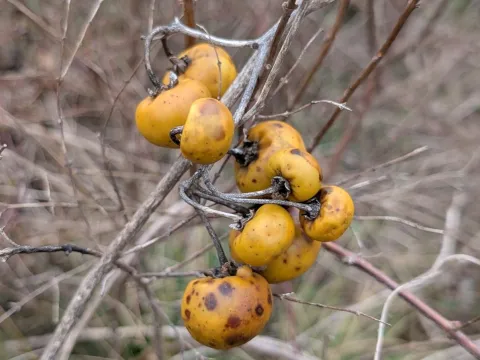
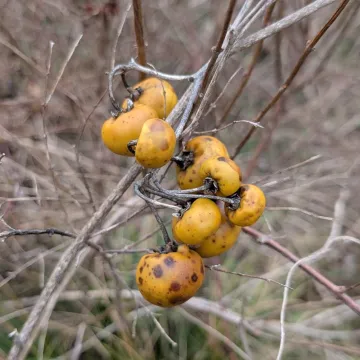
Botanically, the plant is distinguished by its relatively smooth stems, lacking the dense pubescence found in many other related species. Its foliage follows the typical arrangement for the genus, and it produces small berry-like fruits that serve as the primary mechanism for seed dispersal in its native environment.
Agronomic requirements for this species include well-drained soil with a neutral pH level and adequate sunlight exposure. It is crucial to manage soil moisture carefully, as the root system is sensitive to waterlogging. Maintaining consistent moisture without saturation is key to promoting healthy growth and reproductive success during the active vegetation season.
The primary agricultural interest in Solanum anoplocladum lies in its potential for crop improvement programs. Researchers utilize this species for its genetic diversity, focusing on resistance to common Solanaceae pests and diseases.
- Key areas of study include drought tolerance
- Resistance to late blight
- Improved nutrient uptake in poor soils
- Genomic mapping for future breeding
Photo gallery