Solanum corneliomulleri
Solanum corneliomulleri
Description
Solanum corneliomulleri is a wild plant species belonging to the Solanaceae family, widely recognized as a wild relative of the domesticated tomato (Solanum lycopersicum). While it is not cultivated for human consumption or large-scale agricultural production, it serves as a critical reservoir of genetic diversity for agronomists and plant breeders worldwide.
The species originates from the coastal regions of Peru. It has evolved to survive in arid, rugged environments where water scarcity and intense solar radiation are common. This unique evolutionary path has equipped the plant with specialized physiological traits that enable it to withstand extreme abiotic stresses, making it a subject of significant interest for agricultural scientists studying climate adaptation.
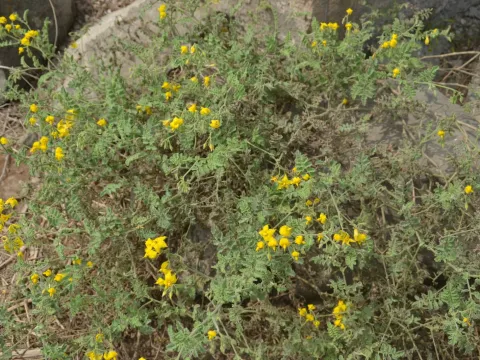
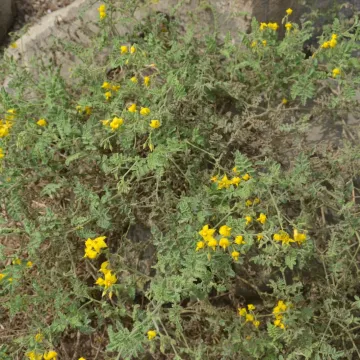
Botanically, this species is characterized by its resilient growth habit, deeply dissected foliage, and typical Solanaceae-type yellow flowers. The plant develops small, non-palatable fruits that carry the genetic blueprint for its survival. Its root system is exceptionally efficient at extracting minerals and moisture from challenging, stony, and nutrient-poor soils, a trait often sought after in crop improvement programs.
In terms of cultivation requirements, Solanum corneliomulleri thrives under conditions that mimic its native habitat: high light intensity, excellent soil drainage, and limited water availability. High humidity and waterlogged soils are detrimental to this species, as they significantly increase the risk of root rot and other fungal diseases. It is primarily managed in specialized field germplasm collections or controlled greenhouse environments.
The main agricultural use of this plant is as a genetic resource. It possesses natural resistance to a variety of pests, such as aphids, and certain pathogens that affect commercial tomato crops. By introgressing these resistance genes into modern cultivars, researchers aim to develop tomato varieties that require fewer chemical inputs and can endure changing environmental conditions. Despite its lack of direct culinary application, its contribution to modern crop science is invaluable.
- Family: Solanaceae
- Origin: Peru
- Type: Wild tomato relative
- Key Value: Genetic resistance to drought and disease
Photo gallery