Solanum fastigiatum
Solanum fastigiatum
Description
Solanum fastigiatum is a distinct plant species belonging to the Solanaceae family. As a wild or semi-cultivated member of this diverse family, it shares genetic traits with common crops like potatoes and tomatoes, making it a subject of interest for both botanists and agricultural researchers focusing on plant resilience.
The origin of this species is firmly rooted in South America, particularly in tropical regions where the climate provides high humidity and stable temperatures throughout the year. It has naturally adapted to these ecosystems, often thriving in forested areas or semi-shaded environments, which dictates its preference for specific soil moisture levels.
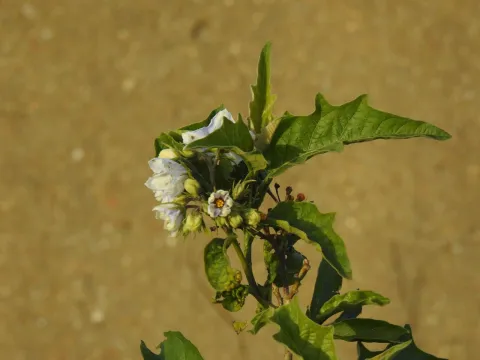
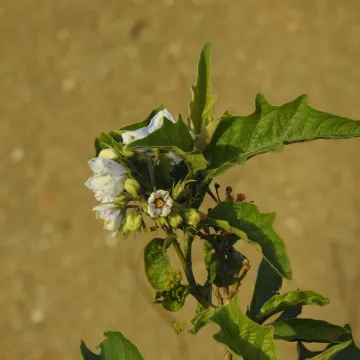
Botanically, Solanum fastigiatum exhibits typical nightshade morphology, featuring distinct star-shaped flowers and alternate, simple leaves. Its growth habit can be either herbaceous or semi-shrubby, depending on the specific environmental conditions. The plant produces berries that serve as a mechanism for propagation, carrying small seeds dispersed primarily by local fauna.
Cultivation requirements involve providing a well-drained, nutrient-rich soil substrate. Unlike more robust commercial crops, Solanum fastigiatum prefers protection from direct, scorching sun and excessive wind exposure. In an agricultural setting, it is essential to manage water levels precisely, as the plant is susceptible to root rot if water management is improper during dormant phases.
- Requires moderate soil acidity (pH 5.5–6.5).
- Needs regular application of organic fertilizers for optimal growth.
- Sensitive to low-temperature stress.
- Requires monitoring for pests common to Solanaceae.
The economic and research utility of Solanum fastigiatum is largely focused on its chemical profile. Studies are underway to identify specific alkaloids and compounds within the plant that may have potential applications in agriculture as bio-pesticides or in the pharmaceutical industry. Its resilience to certain local pests makes it a valuable candidate for genetic breeding programs aimed at improving crop defense mechanisms.
Photo gallery