Solanum heterodoxum
Solanum heterodoxum
Description
Solanum heterodoxum is a unique botanical species belonging to the Solanaceae family. While not a conventional field crop, it is of significant interest to agricultural science and plant breeding due to its evolutionary adaptations and close genetic relationship with commercially vital crops like tomatoes and potatoes.
The plant originates from the arid regions of Mexico and the southwestern United States. Having evolved in harsh, drought-prone environments, it has developed mechanisms to survive in conditions that would be detrimental to most modern cultivated varieties. Its distribution is currently localized to botanical gardens and research experimental plots.
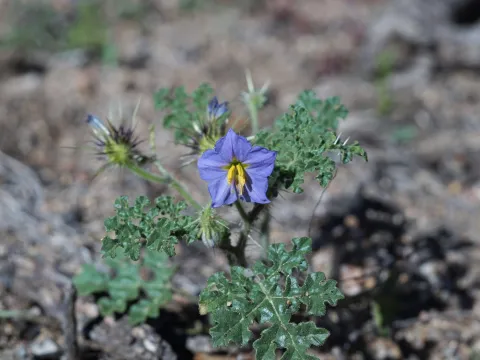
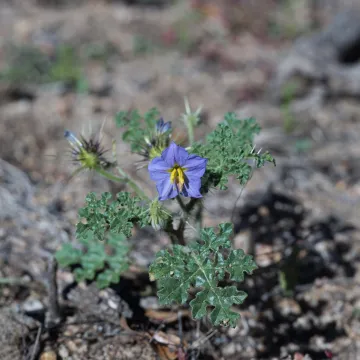
Botanically, Solanum heterodoxum is defined by its distinctive foliage and the presence of spines on the stems and calyxes, serving as a defense mechanism against herbivores. The plant produces characteristic purple flowers and small berries. The structural morphology of this species is optimized for water retention and protection against biotic stressors.
Agricultural success depends on providing a growing environment that mimics its native habitat: high solar radiation, well-draining soil, and controlled moisture levels. It does not tolerate waterlogging, which often induces root rot. Proper crop management requires soil aeration and a climate with high daytime temperatures, as the plant is sensitive to cold shock.
The primary use of this crop is in the development of pest-resistant hybrids. By studying its genetic makeup, breeders aim to introduce genes into domesticated crops that provide natural defense against insects like the Colorado potato beetle. Common threats include typical solanaceous diseases, specifically late blight and early blight, as well as various sap-sucking arthropods.
Photo gallery