Solanum hieronymi
Solanum hieronymi
Description
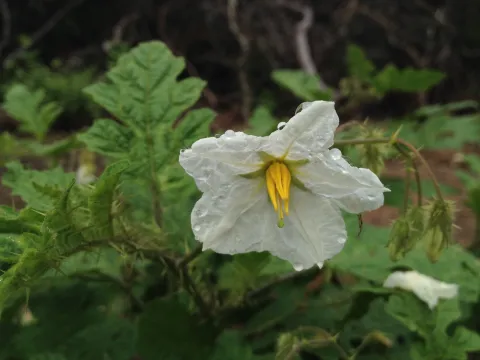
Solanum hieronymi is a perennial shrub that belongs to the extensive and economically significant Solanaceae family. This species is recognized for its physiological resilience and its ability to thrive in challenging environmental conditions, often found in specific ecological niches of South America.
Originating primarily from the arid and semi-arid regions of Argentina, the plant has evolved to cope with low precipitation and intense heat. Its presence in these habitats highlights a significant adaptation to water scarcity, which serves as a key indicator for potential cultivation strategies in similar climatic zones globally.
Botanically, the species exhibits a robust structure, characterized by hardy stems and specialized foliage that minimizes water loss through transpiration. Its reproductive cycle is marked by the production of small berries containing high-viability seeds, which is an essential trait for the survival of the species in the wild and a factor in its successful proliferation.
Regarding agrotechnics, Solanum hieronymi requires well-drained, sandy, or loamy soil with excellent aeration to prevent root rot. The plant thrives under full sun exposure and requires minimal irrigation once established. Cultivators should focus on providing a frost-free environment, as the plant is highly sensitive to freezing temperatures that can damage its vegetative structure.
The primary economic value of this crop lies in its potential pharmaceutical applications. Studies indicate the presence of secondary metabolites and alkaloids that are of interest for medical research. Growers must remain vigilant against typical Solanaceae pests and diseases, such as aphids, spider mites, and fungal pathogens like Phytophthora, which can compromise plant health if not managed effectively.
Photo gallery