Houston's nightshade
Solanum houstonii
Description
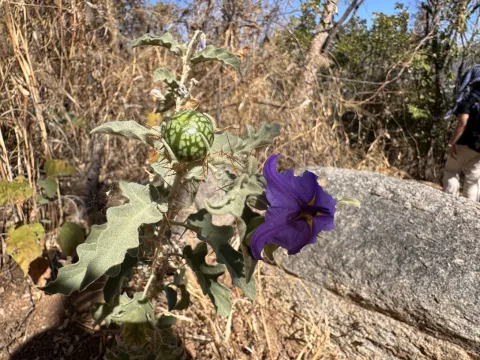
Houston's nightshade (Solanum houstonii) is a wild plant species belonging to the Solanaceae family. While not a commercial staple crop, it remains a significant subject for botanical research due to its close taxonomic relationship with widely cultivated plants like tomatoes, potatoes, and peppers.
The native distribution of Solanum houstonii is primarily concentrated in Central America, specifically Mexico. It is known to thrive in diverse tropical and subtropical environments, colonizing open areas and disturbed soils where it acts as a hardy perennial or biennial shrub in its natural ecological niche.
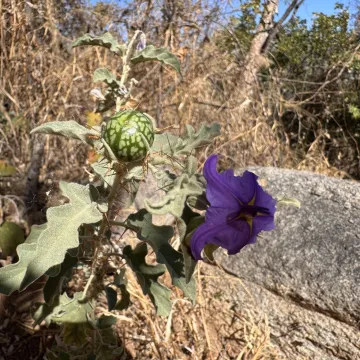
Botanically, this species exhibits the typical characteristics of the Solanum genus, including stellate flowers and complex leaf patterns. The plants are generally robust, featuring glandular hairs on the stems and leaves, which act as a defense mechanism against certain herbivores. The fruit is a characteristic small berry, typical of wild nightshade species.
In terms of climatic and soil requirements, Solanum houstonii prefers warm temperatures and well-drained loamy soils. It demonstrates a degree of drought tolerance once established, though it responds positively to consistent moisture during the vegetative phase. Agronomic management, when performed in research trials, focuses on maintaining weed-free plots and monitoring soil pH levels.
The economic value of this species is currently centered on genetic conservation and phytochemical study. Its role as a potential source of genes for resistance to pests and diseases is of interest to agricultural breeders. Common pests impacting the plant include flea beetles and various species of aphids, while fungal pathogens like blight pose a risk in humid, poorly ventilated conditions.
- Resilience in varied tropical soil types.
- Genetic reservoir for potential crop improvement.
- Active role in regional biodiversity.
Photo gallery