
Solanum lanceolatum
Solanum lanceolatum
Description
Solanum lanceolatum is an evergreen shrub belonging to the Solanaceae family, known for its distinctive foliage and ornamental value in tropical landscapes. As a member of the diverse Solanum genus, this species displays typical botanical traits of the family, including complex flowering structures and a habit of rapid vegetative development in favorable conditions.
The plant is native to the tropical regions of Central and South America, particularly mountainous areas where the climate remains warm throughout the year. It has historically occupied niche habitats such as forest edges and secondary growth areas. Due to its tropical origins, the plant requires consistent temperatures and is highly susceptible to frost damage, limiting its outdoor cultivation to temperate and tropical zones.
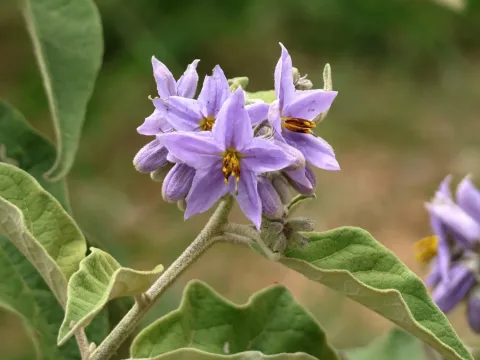
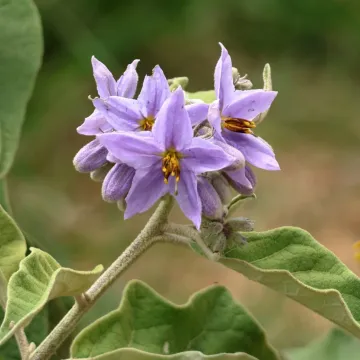
Botanically, the plant is characterized by its lance-shaped leaves covered in fine, velvet-like hairs that provide a silvery appearance. The flowers appear in clusters and are typically purple or lavender, showcasing the classic star-shaped petals found in many species of the nightshade family. The fruits develop into berries that mature over several weeks, serving as the primary method for natural propagation.
Cultivation requirements involve providing well-draining, nutrient-rich soil with a slightly acidic to neutral pH. The shrub thrives in full sun but can tolerate partial shade in hotter climates. Regular pruning is necessary to maintain shape and encourage new growth, while irrigation management is critical: the root system must remain moist but should never be submerged in water to avoid physiological stress.
While primarily grown for ornamental purposes, the species is an interesting subject for botanical study. Growers must be vigilant against common agricultural pests and pathogens that typically affect members of the Solanaceae family:
- Aphids, which frequently colonize the undersides of leaves.
- Whiteflies, which thrive in stagnant, humid air conditions.
- Root rot pathogens caused by improper drainage and waterlogged soil.
Photo gallery