
Solanum medians
Solanum medians
Description
Solanum medians is a wild herbaceous perennial species belonging to the Solanaceae family. It is recognized primarily as a wild relative of the common potato (Solanum tuberosum) and is of great interest to botanists and plant breeders focused on crop improvement and biodiversity preservation.
The plant is native to South America, specifically found in regions of Peru. It has evolved to thrive in high-altitude environments, often occupying rocky slopes and diverse mountainous habitats where soil quality is generally poor and temperatures can be highly unpredictable.
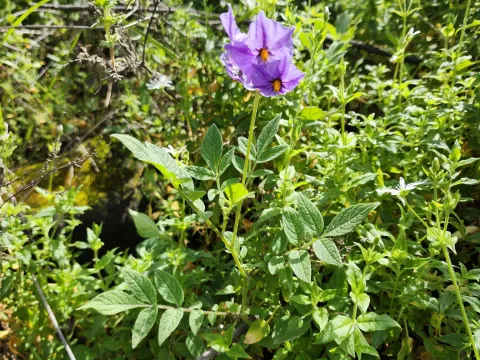
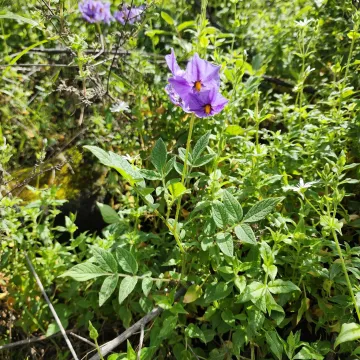
Botanically, Solanum medians produces small underground tubers on its stolons. It features distinctive foliage and delicate flowers. The species has developed robust physiological mechanisms to manage water retention and nutrient uptake in shallow, stony soils, making it a study subject for stress-resilient plant breeding.
Regarding agricultural application, this species is not cultivated for human consumption. The tubers contain glycoalkaloids that make them unsuitable for food. However, its value in agriculture is strictly scientific, serving as a repository of beneficial genes for resistance to pests and diseases that affect commercial potato cultivars.
Research into Solanum medians focuses on its interaction with soil pathogens and climatic stress. Typical threats to this wild plant include the loss of habitat and climate change, which endanger its population. Preserving the germplasm of this species is essential for the future security of potato production globally, as it provides the raw material for creating more resilient food crops.
Photo gallery