Solanum meloncillo
Solanum meloncillo
Description
Solanum meloncillo is a distinct herbaceous plant belonging to the Solanaceae family. As a relative of widely cultivated vegetables like potatoes, tomatoes, and peppers, this species exhibits common botanical traits of the genus, yet it remains a niche agricultural crop due to its specific environmental preferences and limited historical distribution.
Native to the mountainous regions of Central and South America, the plant has evolved in climates that offer moderate temperatures and stable humidity. Its natural habitat dictates the specific cultivation requirements, as it thrives best in protected or semi-protected environments that mimic its highland origins, away from extreme heat and frost conditions.
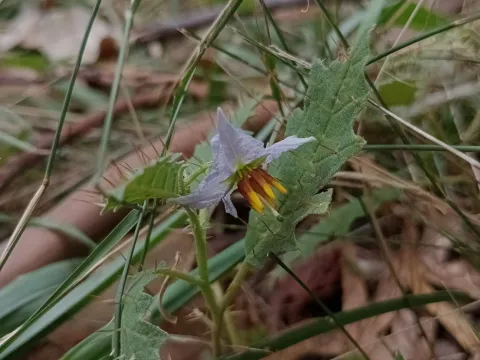
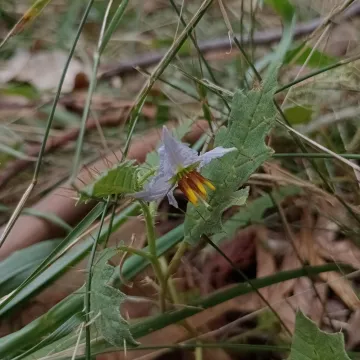
Botanically, Solanum meloncillo is characterized by its pubescent foliage and stem structures, which serve as a natural defense mechanism against environmental stress. The plant produces distinctive flowers that lead to the development of small, often edible fruits. These fruits are typically harvested when they reach full maturity, displaying a color change that indicates their ripeness and readiness for consumption or processing.
Agricultural success with this crop depends on soil quality and water management. It prefers well-draining, nutrient-rich soils that do not retain excess water, which could otherwise cause root rot. In terms of nutrition, the application of balanced NPK fertilizers is recommended during the vegetative stage, followed by increased potassium levels during the fruit-setting phase to ensure high yield quality.
- Strategic pruning to increase airflow in the canopy
- Consistent irrigation schedules to prevent fruit cracking
- Implementation of crop rotation to reduce soil-borne diseases
- Regular monitoring for common Solanaceae pests like aphids
From an agronomic perspective, Solanum meloncillo faces challenges common to the family, including susceptibility to phytophthora and various leaf-spotting fungi. Disease management requires an integrated approach, utilizing both preventative sanitary practices and biological or chemical controls when necessary. Its utility in modern agriculture is currently centered around specialized produce markets and germplasm research for developing more resilient vegetable varieties.
Photo gallery