Solanum nigrescens
Solanum nigrescens
Description
Solanum nigrescens is a perennial herbaceous plant belonging to the Solanaceae family. Known for its distinct morphological traits, this species is frequently studied due to its close relation to other commercially important nightshades, serving as both a subject of botanical interest and a potential reservoir for genetic traits within the genus.
The species originates from the Americas, where it thrives in diverse ecological niches ranging from lowlands to highland regions. Its natural habitat includes disturbed areas, roadsides, and open fields, showcasing a high degree of environmental adaptability that allows it to persist even under varying climatic conditions.
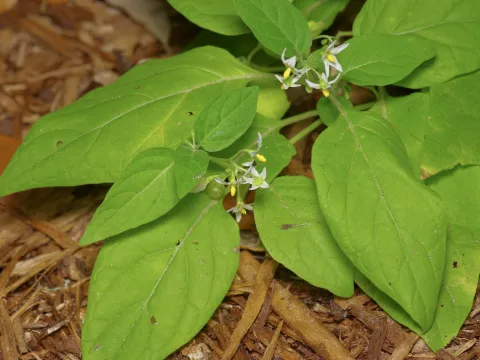
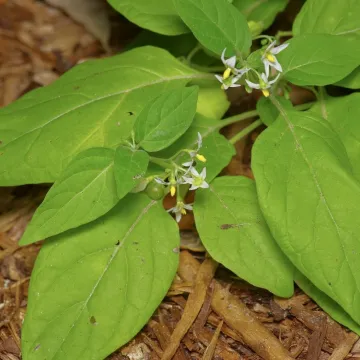
Botanically, the plant features slender stems with alternate leaves and small, white, star-shaped flowers typical of the genus. The fruits are small berries that turn black upon maturation, a key identifying feature. These fruits contain seeds that ensure the plant’s wide distribution in suitable temperate and tropical environments.
Successful agricultural management of Solanum nigrescens requires fertile, well-drained soil with a slightly acidic to neutral pH. Irrigation should be managed carefully to avoid waterlogging, which often induces root rot and increases susceptibility to fungal diseases. Adequate spacing is also recommended to ensure sufficient air circulation around the canopy.
In terms of хозяйственного (utilization), while not a mainstream crop, it holds value in traditional medicine and phytochemical research for its specific secondary metabolites. Producers should be aware of common pests such as aphids and potato beetles, as well as the risk of late blight, especially in high-humidity environments.
- High ecological plasticity.
- Importance of soil drainage management.
- Susceptibility to common Solanaceae pests.
Photo gallery