Solanum palinacanthum
Solanum palinacanthum
Description
Solanum palinacanthum is a perennial shrub belonging to the Solanaceae family, known for its distinct morphology and prickly stems. As a member of the diverse Solanum genus, it shares common evolutionary traits with better-known crops, yet its specific adaptation to arid and semi-arid environments sets it apart in terms of physiological resilience.
The plant originates from South America, with a broad distribution range spanning regions of Brazil, Paraguay, and Argentina. It naturally thrives in disturbed habitats and open woodlands, where it acts as a hardy perennial. Its success in these environments is largely due to its competitive nature and ability to flourish under intense solar radiation.
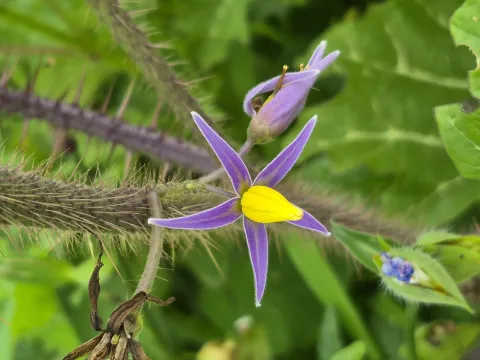
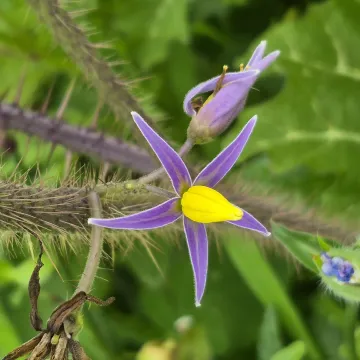
Botanically, this species is characterized by its lignified stems covered with sharp spines, which provide structural support and defense. The foliage is typically alternate, often showcasing glandular hairs, and the flowers are classic star-shaped Solanaceous blooms. The fruit is a globose berry that serves as a vessel for numerous small seeds, which are dispersed primarily by small mammals and birds.
Cultivation requires adherence to strict environmental parameters: warm temperatures and high light exposure are essential for healthy development. The soil must be well-drained, as heavy, waterlogged substrates significantly increase the risk of fungal pathogens. In terms of agronomy, soil fertility should be managed through organic amendments, ensuring adequate phosphorus levels to support flowering and fruit set.
While not a primary commercial food crop, its utility is focused on genetic research and its role in ecosystem management. Typical challenges for cultivators include:
- Control of defoliating insects such as flea beetles.
- Prevention of late blight and other fungal infections.
- Management of soil moisture levels to avoid root rot.
- Regular pruning to control the size of the shrub.
Photo gallery