Glossy nightshade
Solanum photeinocarpum
Description
Glossy nightshade (Solanum photeinocarpum) is an annual herbaceous crop that belongs to the widespread Solanaceae (nightshade) family. Often identified in botanical circles as a distinct species within the complex group of nightshades, it serves as a valuable resource in regional agriculture for pharmaceutical raw materials.
The plant originates from East Asia, primarily thriving in regions of China and Japan. Its natural habitat includes diverse environments, from forest edges to open meadows, where it adapts well to temperate and subtropical climates. In modern agriculture, it is cultivated under controlled conditions to maximize the yield of beneficial phytochemicals found in its fruit and foliage.
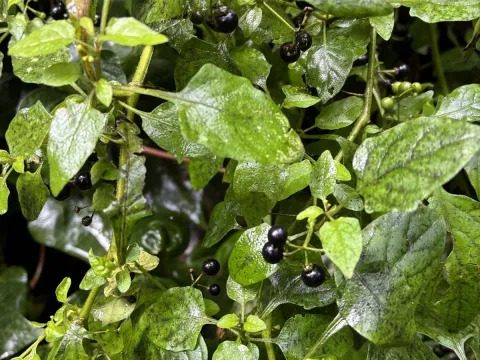
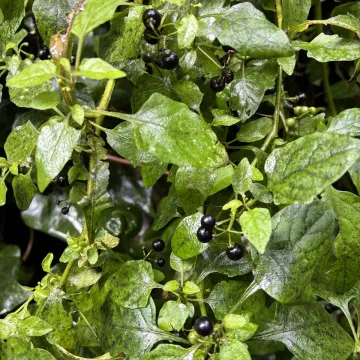
Botanically, Solanum photeinocarpum features an upright branching habit and glossy, ovate-shaped leaves that give the plant its common name. The flowers are typical for the genus, showing a star-like structure, while the fruits develop into small, black, shiny berries. These berries are known for their high concentration of active alkaloids, which are the primary focus for industrial extraction.
Agronomic requirements for this crop focus on well-drained, nutrient-rich soil with a neutral pH level. The plant responds positively to consistent soil moisture and plenty of sunlight, which are crucial during the flowering and fruit-setting stages. It is generally hardy, though it requires protection from extreme frost and prolonged waterlogging in the field.
The economic value of this crop is primarily linked to the pharmaceutical industry, where extracts are utilized for their therapeutic properties. To ensure a healthy harvest, farmers must manage typical pests and diseases that affect the broader Solanaceae group, including:
- Colorado potato beetle
- Aphids
- Spider mites
- Late blight
Photo gallery