Solanum robustum
Solanum robustum
Description
Solanum robustum is a distinctive perennial plant belonging to the Solanaceae family. Known for its robust growth habit and striking appearance, it is often studied for its evolutionary adaptations and ornamental value in botanical collections worldwide.
The species originates from South America, specifically regions in Brazil and Argentina. In its native habitat, it thrives in warm, humid environments with high solar radiation. Due to these origins, it is not frost-tolerant and requires controlled environments or seasonal management when grown outside of tropical zones.
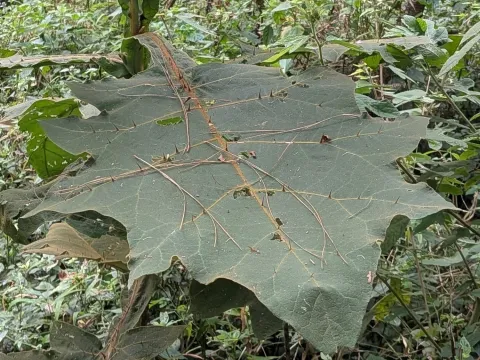
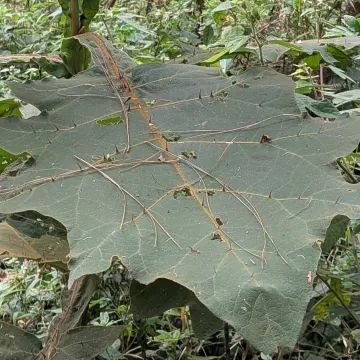
Botanically, the plant is characterized by its dense, stellate (star-shaped) trichomes, which cover the stems and leaves, giving it a velvety, greyish-green texture. The leaves are large, often featuring wavy margins. The flowers are typically yellow, arranged in panicles, and followed by spherical fruits that transition from green to yellow or orange as they mature.
Regarding agronomic requirements, Solanum robustum demands well-drained, fertile soil with a slightly acidic to neutral pH. Proper soil aeration is critical to prevent root system suffocation. Growers should maintain moderate soil moisture, as the plant is sensitive to both extreme drought and waterlogged conditions, which can lead to rapid decline.
The plant is primarily utilized for its aesthetic appeal in botanical gardens and as a specimen for physiological studies. Management of pests and diseases is similar to other Solanum species. Key threats include aphids, spider mites, and defoliating beetles. Pathological risks include fungal infections like early blight or root rot, which are often mitigated by ensuring good airflow and preventing excessive overhead irrigation.
Photo gallery