St. Vincent lilac
Solanum seaforthianum
Description
St. Vincent lilac (Solanum seaforthianum) is a perennial climbing vine belonging to the Solanaceae family. This ornamental plant is highly valued for its vigorous growth habit and delicate, drooping clusters of star-shaped flowers that bloom in shades of lavender and violet, creating a significant visual impact in garden landscapes.
Native to tropical regions of South and Central America, as well as the Caribbean, this species thrives in warm, humid environments. In its natural habitat, it acts as a scrambling vine, utilizing surrounding vegetation to reach sunlight. Due to its sensitivity to frost, it is cultivated globally as a greenhouse plant or as an annual in temperate climates.
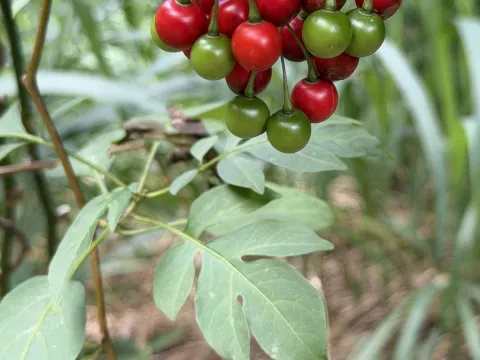
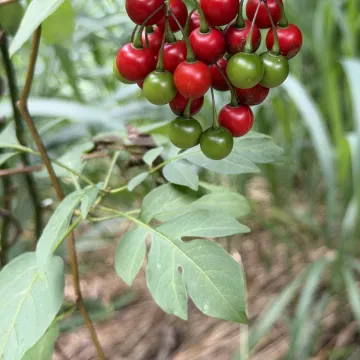
Botanically, the plant features slender, semi-woody stems and compound leaves. The blooming process leads to the formation of bright red berries, which add visual interest after the flowers fade. It is an ideal candidate for trellises, arbors, and pergolas where its rapid upward growth can be effectively managed and displayed.
For successful cultivation, the plant requires a position in full sun to partial shade, sheltered from harsh, drying winds. Soil must be rich in organic matter, well-draining, and kept consistently moist. During the peak growing season, the plant benefits from balanced fertilizers to support its prolific blooming cycle and extensive biomass development.
Agricultural management of this species focuses on regular pruning to maintain structural health and size. It is susceptible to standard pests such as aphids, spider mites, and whiteflies, especially in greenhouse conditions where air circulation might be limited. Maintaining high humidity and monitoring for early signs of fungal leaf spots or pest colonies is essential for the long-term health of the vine.
Photo gallery