Solanum sublobatum
Solanum sublobatum
Description
Solanum sublobatum is an herbaceous plant species belonging to the diverse and economically significant Solanaceae family. As a relative of widely cultivated crops like potatoes, tomatoes, and peppers, this plant possesses distinct morphological and physiological traits. It is frequently studied within botanical circles for its genetic relationship to commercial Solanum species.
The species originates from regions of South America, where it thrives in specific ecological niches. Its distribution is primarily tied to subtropical and tropical zones, where the climate provides the necessary warmth and humidity for its development. In agricultural contexts, Solanum sublobatum requires consistent environmental conditions to ensure healthy growth and potential fruit development.
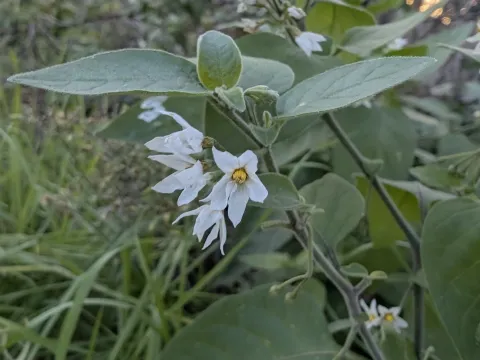
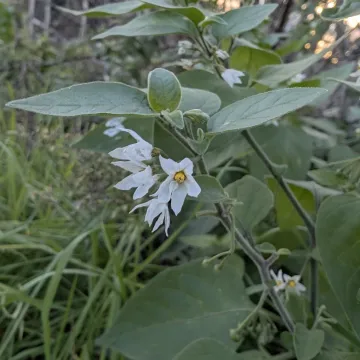
Botanically, the plant is characterized by its lobed leaves and typical five-petaled flowers, which are common hallmarks of the nightshade family. The plant develops a robust root system and a branching stem structure. Its fruit, a berry, contains small seeds and is adapted for dispersal in its native environment, reflecting the evolutionary strategy of this wild nightshade relative.
Cultivation of Solanum sublobatum requires well-drained, nutrient-rich soils with a balanced moisture level. Proper agronomy involves ensuring sufficient solar exposure, which is vital for the plant's metabolic processes. Weed management is critical during the early stages of growth, as the plant can be sensitive to competition from aggressive ground cover plants found in its habitat.
- Soil requirements: Fertile, well-draining, neutral pH.
- Climate: Warm, tropical to subtropical conditions.
- Pests: Typical Solanaceae pests, including aphids and beetle larvae.
- Usage: Research for crop improvement and phytochemical studies.
In terms of хозяйственного (agricultural) utilization, Solanum sublobatum is primarily viewed as a valuable genetic resource. Researchers utilize the species to identify genes responsible for stress tolerance and disease resistance. By integrating these traits into commercial cultivars, agricultural scientists aim to enhance the resilience of related food crops against changing climatic conditions and evolving pathogens.
Photo gallery