Solanum umbellatum
Solanum umbellatum
Description
Solanum umbellatum is a robust shrub or small tree belonging to the Solanaceae family. It is recognized for its unique umbrella-like inflorescences and rapid growth habit, which make it a significant plant within its native tropical ecosystems.
The species originates from the tropical zones of Central and South America. It is typically found in humid forests and disturbed areas where it acts as a pioneer species. Its distribution spans across countries with tropical climates, where it thrives under conditions of high humidity and consistent warmth throughout the year.
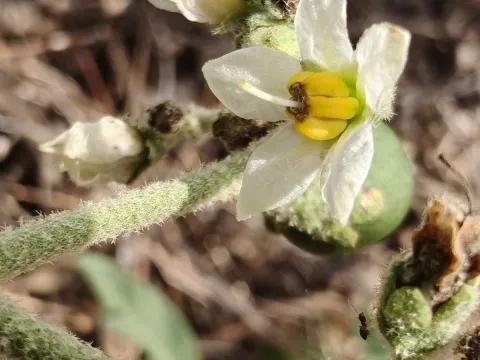
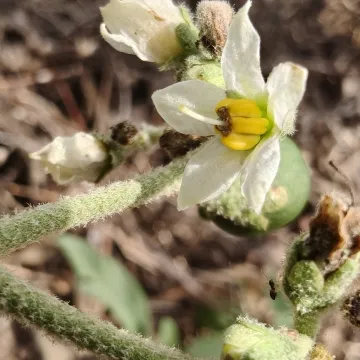
Botanically, the plant is characterized by its large, elliptic leaves with a distinctive velvety texture. The flowers are typically white, arranged in dense, terminal clusters. The fruit is a small, fleshy berry that turns yellow when ripe, serving as a food source for various birds which aid in seed dispersal throughout the habitat.
Cultivation requires well-drained, nutrient-rich soils and a climate that avoids frost. Agronomic management involves consistent moisture levels and protection from intense, direct wind. Nitrogen-based fertilizers are recommended during the early development stages to support the plant's rapid vegetative growth and leaf expansion.
Economically, Solanum umbellatum is valued in traditional medicine for its chemical profile, containing specific secondary metabolites. When grown, it is susceptible to typical nightshade pests, such as aphids and whiteflies. Proper management of irrigation is crucial to prevent root rot, which remains the most common pathological concern for this species in managed landscapes.
Photo gallery